





What's Happening?
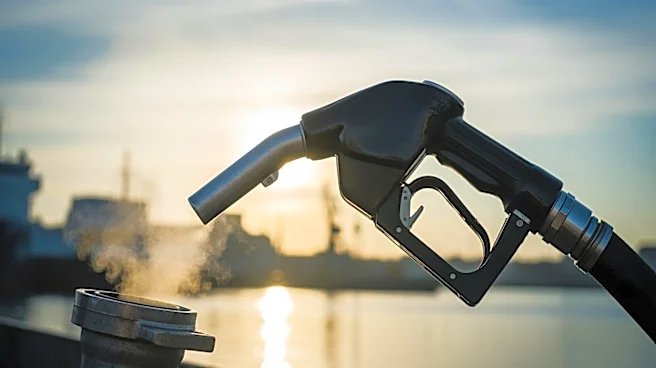
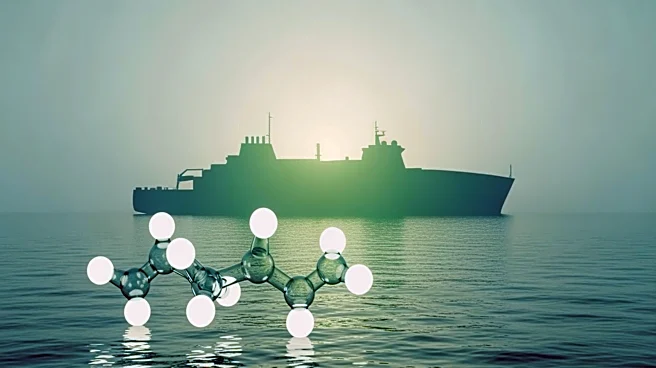
The Port of Long Beach has announced a $1 million award for the first oceangoing vessel to refuel with methanol at its harbor on a commercial scale. This initiative, known as the Clean Fuel Bunkering Challenge, aims to promote the use of methanol as a cleaner
alternative to conventional marine fuels. Methanol is gaining attention in the shipping industry for its potential to significantly reduce greenhouse gas emissions and improve air quality. The port's CEO, Dr. Noel Hacegaba, emphasized the importance of creating a North American market for methanol bunkering and providing incentives for the industry to invest in clean fuels. The award is designed to offset the higher costs associated with methanol refueling and support the development of necessary operational and safety procedures.
Why It's Important?
This initiative by the Port of Long Beach is a significant step towards reducing the environmental impact of the shipping industry, which is a major contributor to global emissions. By incentivizing the use of methanol, the port is encouraging shipping companies to adopt cleaner fuels, which could lead to substantial reductions in pollutants such as nitrogen oxides, sulfur oxides, and particulate matter. The move also aligns with broader efforts to diversify energy sources and enhance energy independence. As major shipping companies invest in dual-fuel methanol vessels, the availability of methanol bunkering facilities could accelerate the transition to cleaner maritime operations, setting a precedent for other ports to follow.
What's Next?
The success of the Clean Fuel Bunkering Challenge could lead to increased interest and investment in methanol as a marine fuel. Other ports may consider similar incentives to attract methanol-capable vessels and support the development of a global methanol bunkering network. The initiative could also prompt regulatory bodies to establish guidelines and standards for methanol bunkering, ensuring safe and efficient operations. As the shipping industry continues to seek ways to reduce its carbon footprint, methanol could become a key component of sustainable maritime practices, driving innovation and collaboration across the sector.