





What's Happening?
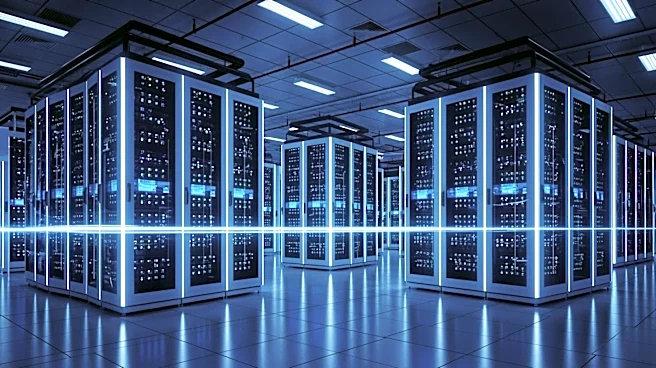
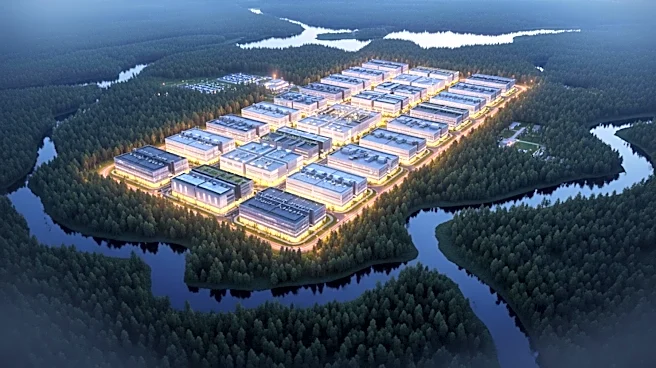
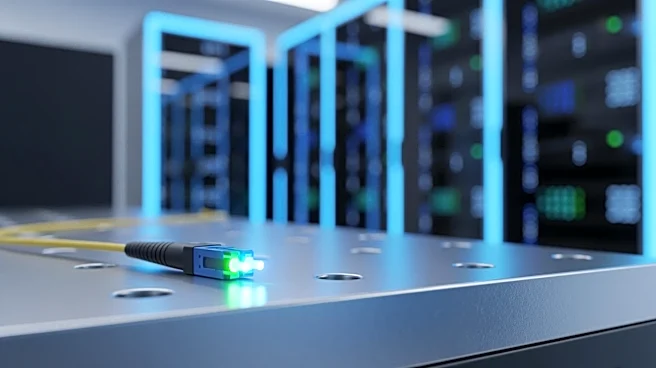
Data centers, essential for powering the internet and artificial intelligence, are rapidly expanding across the U.S., driven by increasing demand for computing power. However, their environmental and economic impacts have sparked local opposition, turning
data center development into a significant political issue ahead of the 2026 midterm elections. Communities are concerned about noise, energy consumption, and environmental degradation, leading to heated debates and influencing local elections. Some states are considering legislation to regulate data centers, while others offer tax incentives to attract them. The issue cuts across party lines, with both Democratic and Republican leaders addressing constituent concerns.
Why It's Important?
The expansion of data centers highlights the tension between technological advancement and community impact. While data centers bring economic benefits, such as job creation and increased tax revenue, they also pose challenges related to resource consumption and environmental sustainability. As a result, data centers have become a focal point in political discourse, influencing voter behavior and legislative agendas. The outcome of the midterm elections could shape future policies on data center regulation, balancing economic growth with environmental and community considerations.
What's Next?
As the midterm elections approach, data center developments will likely remain a contentious issue, with candidates addressing voter concerns about their local impacts. Legislative efforts at the state and federal levels may intensify, potentially leading to new regulations on data center operations. The outcome of these elections could determine the direction of future policies, influencing how data centers are integrated into communities and how their environmental impacts are managed. Stakeholders, including tech companies and environmental groups, will continue to play a significant role in shaping the debate.