





What's Happening?
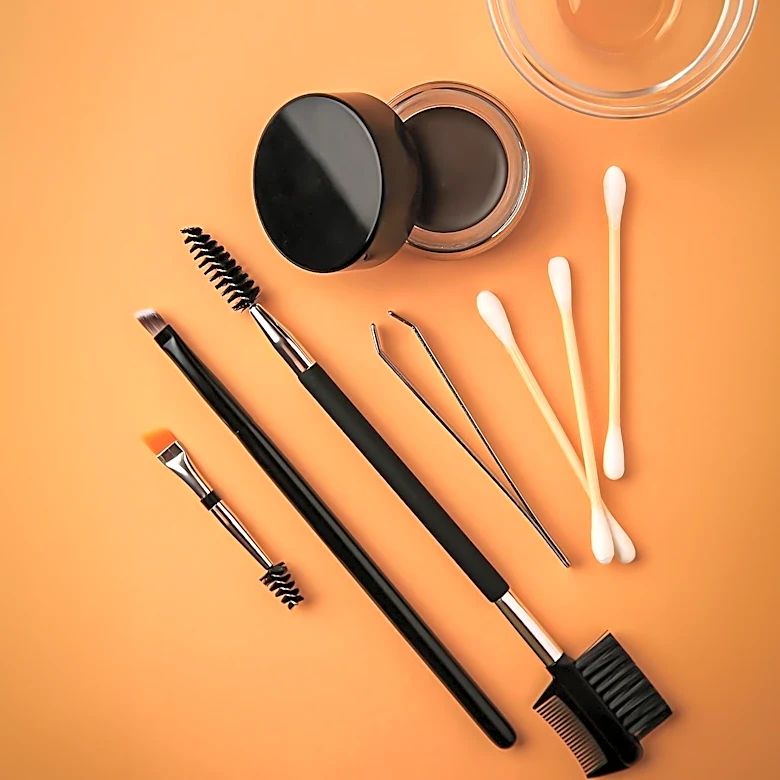
Recent findings have highlighted the potential risks associated with eye makeup, including inflammation, dryness, and infections. According to experts, these issues are often linked to the use of certain types of eye makeup, such as mascara and eyeliner.
Ophthalmologists and optometrists have reported seeing these problems frequently in their practices. Dr. Avnish Deobhakta, an ophthalmologist at the New York Eye and Ear Infirmary of Mount Sinai, notes that dry eye and irritation are common issues. However, there are safer alternatives available, such as eye makeup tested for safety by ophthalmologists. Brands like Clinique have a history of being ophthalmologist-friendly, testing their products on various groups to ensure safety for sensitive eyes.
Why It's Important?
The significance of these findings lies in the impact on consumer health and safety. Eye makeup is a staple in many people's daily routines, and understanding the risks can help consumers make informed choices. The potential for eye irritation and infections underscores the need for safer products and practices. Brands that prioritize ophthalmologist testing can offer peace of mind to consumers with sensitive eyes. This focus on safety can also influence industry standards, encouraging more brands to adopt rigorous testing and ingredient transparency. Ultimately, these developments can lead to healthier practices and products in the beauty industry.
What's Next?
As awareness of the risks associated with eye makeup grows, consumers may increasingly seek out products that are ophthalmologist-tested. This could drive demand for safer formulations and influence market trends. Brands may respond by investing in research and development to create products that minimize irritation and other adverse effects. Additionally, there may be a push for more comprehensive regulation of cosmetics by the FDA, ensuring that products meet safety standards. Consumers are likely to become more vigilant about product expiration dates and hygiene practices, further reducing the risk of eye-related issues.
Beyond the Headlines
The broader implications of these findings extend to ethical considerations in the beauty industry. As consumers become more aware of the potential harm caused by certain products, there may be increased pressure on companies to prioritize safety over profit. This could lead to a shift in industry practices, with a greater emphasis on transparency and consumer education. Additionally, the focus on eye health may inspire innovations in product formulations, such as the use of gentler ingredients and improved application techniques. These changes could contribute to a more responsible and health-conscious beauty industry.