
What's Happening?
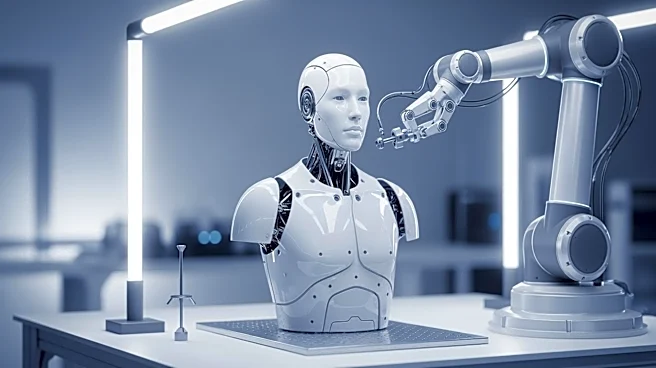
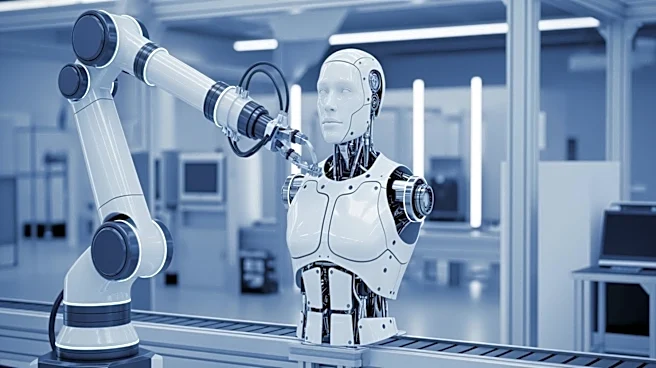
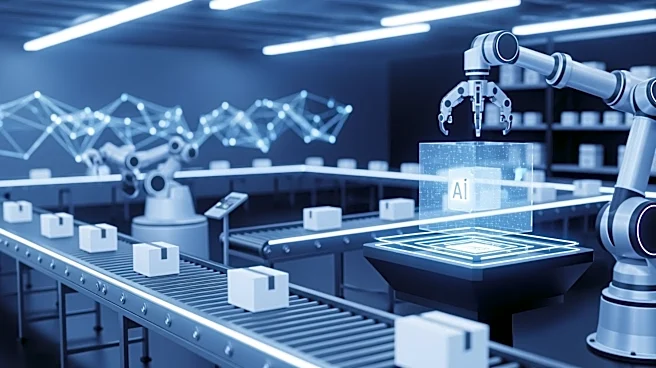
The manufacturing sector is witnessing a significant shift with the integration of physical AI, which combines neural networks with mechanical precision. This development is transforming the way robots
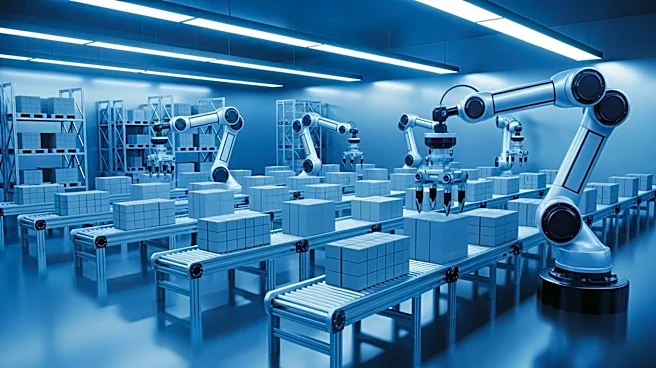
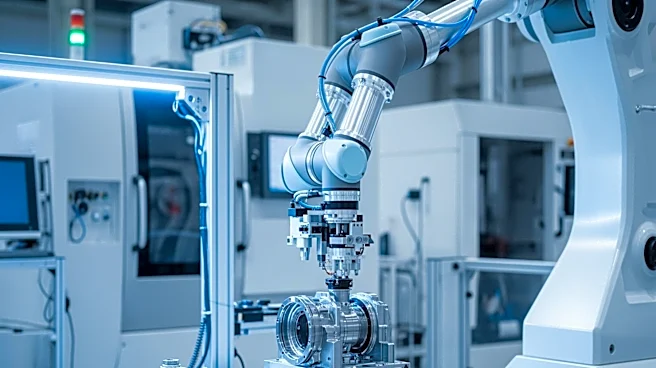
operate, allowing them to perceive, adapt, and learn in real-world environments. Companies like Fictiv are at the forefront, supporting the transition from digital AI to physical AI, which requires robust manufacturing strategies. The challenges include hardware agility, lifecycle resilience, and integration gaps in legacy facilities. Despite these hurdles, physical AI is enabling robots to perform complex tasks such as mobile manipulation, collaborative precision in electronics assembly, and automated inspection, thereby enhancing efficiency and productivity in manufacturing.
Why It's Important?
The adoption of physical AI in manufacturing is crucial as it bridges the gap between digital innovation and tangible industrial applications. This shift is expected to enhance productivity and efficiency, potentially leading to a competitive advantage for companies that successfully integrate these technologies. The ability of robots to perform high-variability tasks could revolutionize industries such as logistics, healthcare, and electronics, reducing operational risks and improving cost predictability. As the demand for advanced manufacturing grows, companies that can overcome the challenges of scaling and integration will likely dominate the market, driving economic growth and technological advancement.
What's Next?
As physical AI continues to gain traction, companies will need to focus on developing agile and transparent manufacturing strategies to scale production effectively. This includes addressing supply chain volatility and ensuring robust systems integration in existing facilities. The upcoming Robotics Summit & Expo in Boston will provide a platform for industry leaders to discuss these challenges and explore innovative solutions. The continued evolution of physical AI is expected to drive further advancements in robotics, with potential applications expanding across various sectors, ultimately reshaping the manufacturing landscape.