
What's Happening?
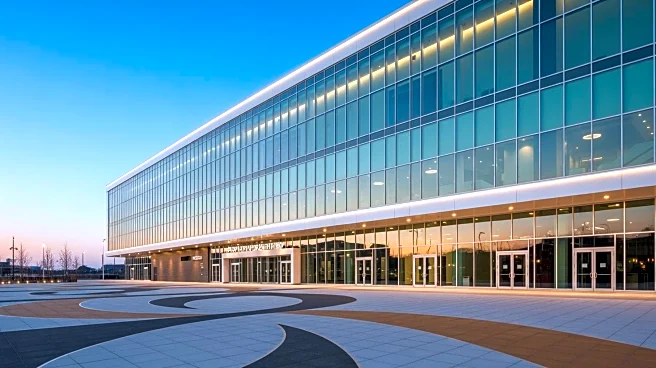
The Minnesota Wild, a professional ice hockey team, has entered into a 14-year naming rights partnership with Grand Casino, which is owned by the Mille Lacs Band of Ojibwe. As part of this agreement, the Wild's home arena in Saint Paul has been renamed
Grand Casino Arena, effective September 3, 2025. The arena is a significant venue, hosting Minnesota Wild games and over 150 events annually, attracting approximately 1.7 million visitors each year. Craig Leipold, the majority owner and principal investor in Minnesota Sports & Entertainment, expressed enthusiasm about the partnership, highlighting the Mille Lacs Band of Ojibwe's longstanding support and investment in the city. The collaboration also included a celebration of Native American Heritage Day during a game against the Colorado Avalanche on November 28, featuring traditional singers, a Flag Song honoring veterans from Minnesota's eleven tribes, and a historic Ojibwe-language broadcast.
Why It's Important?
This partnership is significant as it not only strengthens the relationship between the Minnesota Wild and the Mille Lacs Band of Ojibwe but also enhances the cultural and economic landscape of Saint Paul. The renaming of the arena to Grand Casino Arena symbolizes a deepened commitment to community engagement and cultural recognition. The inclusion of Native American Heritage Day celebrations and the Ojibwe-language broadcast underscores the importance of cultural representation and diversity in sports. Economically, the partnership is poised to boost local tourism and business, drawing more visitors to the area and potentially increasing revenue for local businesses. The collaboration also highlights the role of sports teams in promoting cultural awareness and inclusivity.
What's Next?
Looking ahead, the partnership between the Minnesota Wild and Grand Casino is expected to foster further cultural initiatives and community events. The ongoing collaboration may lead to more events celebrating Native American culture and heritage, potentially setting a precedent for other sports teams to follow. Additionally, the economic impact of the partnership could encourage other businesses and organizations to invest in similar community-focused initiatives. The success of the Ojibwe-language broadcast may also inspire other sports teams to explore multilingual broadcasts, broadening their reach and inclusivity.