



What's Happening?
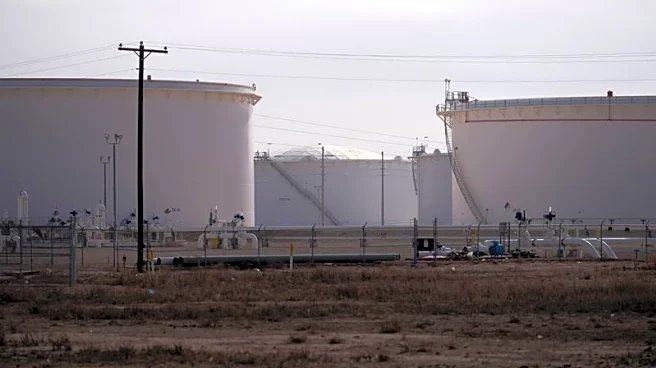
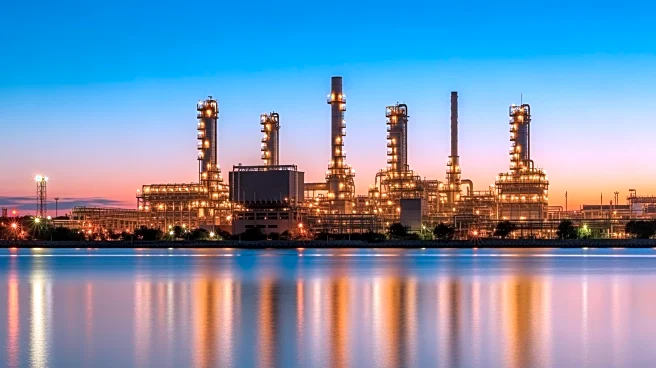
The U.S. Gulf Coast has become the world's leading refining hub, surpassing traditional centers in Europe and Asia. This shift is driven by the region's ability to process both light and heavy crude oils, supported by advanced technology and logistics.
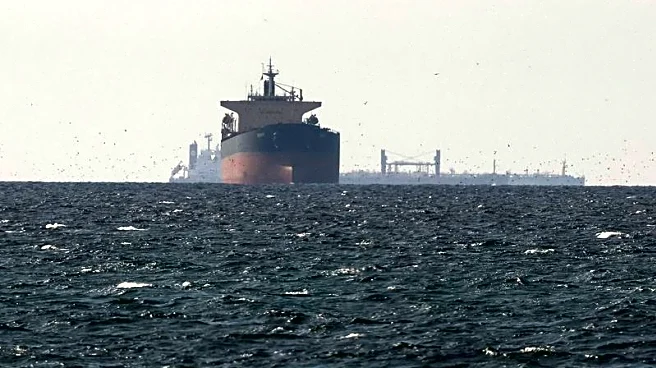
The Gulf Coast's refineries, particularly in Texas and Louisiana, operate at high utilization rates, often exceeding 90%. This transformation is not merely cyclical but structural, affecting global crude flows and refined product distribution. The U.S. now plays a crucial role in supplying gasoline, diesel, and jet fuel globally, with significant exports to Mexico and other Latin American countries. The region's refineries also benefit from occasional imports of Venezuelan heavy crude, enhancing efficiency and output.
Why It's Important?
The U.S. Gulf Coast's dominance in refining has significant implications for global energy markets and U.S. economic interests. As a major supplier of refined products, the U.S. can influence global fuel prices and energy security. This position strengthens the U.S. economy by supporting jobs and generating revenue through exports. Additionally, the ability to adapt to geopolitical events, such as disruptions in the Middle East, underscores the strategic importance of the Gulf Coast refineries. The region's capacity to process diverse crude types ensures resilience against supply shocks, benefiting both domestic and international markets.