








What's Happening?
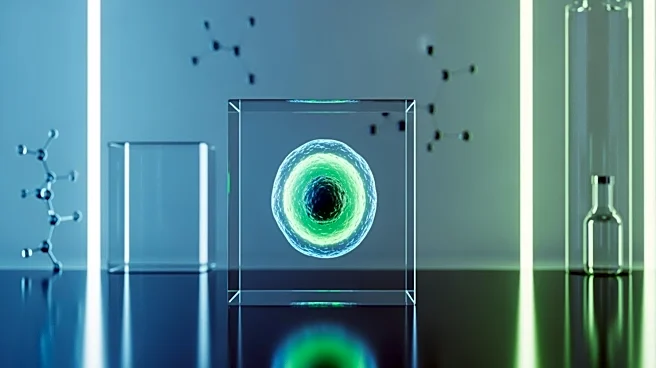
Kraig Biocraft Laboratories, a leader in spider silk technology, has announced a significant advancement in its silk gland cell platform. The company has successfully isolated and immortalized silkworm posterior silk gland cells, which are designed to continuously
produce and release target proteins using a natural exocytosis-based secretion pathway. This method allows proteins to be harvested and purified more efficiently without destroying the producer cells, unlike traditional systems that require cell destruction for protein extraction. This innovation is expected to enhance manufacturing efficiency by supporting faster production timelines, reducing operating costs, and improving scalability.
Why It's Important?
This development is crucial for the biotechnology industry as it offers a more sustainable and efficient method for recombinant protein manufacturing. By allowing continuous protein production without the need for cell destruction, Kraig Labs' technology could significantly lower production costs and increase output. This could benefit various sectors reliant on protein manufacturing, including pharmaceuticals and textiles, by providing a more reliable and cost-effective production method. The ability to scale production efficiently could also lead to broader applications and increased accessibility of advanced biomaterials.
What's Next?
Kraig Biocraft Laboratories plans to continue refining its silk gland cell platform to further enhance its efficiency and scalability. The company is likely to explore partnerships with industries that can benefit from this technology, potentially expanding its market reach. Stakeholders in the biotechnology and textile industries may closely monitor these developments, as the technology could disrupt traditional manufacturing processes. Future updates from Kraig Labs will likely focus on commercial applications and potential collaborations to leverage this breakthrough.
Beyond the Headlines
The ethical implications of using genetically engineered organisms for manufacturing purposes may come under scrutiny. As Kraig Labs' technology gains traction, discussions around the environmental impact and regulatory considerations of such innovations are expected to intensify. Additionally, the long-term effects of integrating this technology into existing manufacturing processes could lead to shifts in industry standards and practices, potentially setting new benchmarks for sustainability and efficiency in biomaterial production.