



What's Happening?
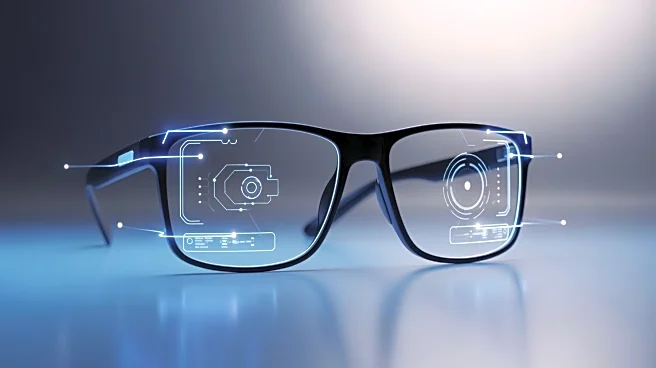
In 2026, the market for smart glasses is expanding with new models that promise to change how consumers interact with screens. Companies like Snap, Meta, and Warby Parker are introducing products that cater to both social and professional uses. Snap's Specs aim to integrate AR into social media, while Meta's Ray-Ban Display focuses on a glasses-first social layer. Warby Parker, in collaboration with Google, is developing AI-powered smart glasses for retail. These innovations are moving from prototypes to consumer-ready products, offering a range of features from high-resolution displays to AI integration.
Why It's Important?
The introduction of smart glasses represents a significant shift in how consumers engage with digital content. By offering hands-free, immersive
experiences, these devices could transform industries such as entertainment, retail, and communication. For tech companies, the ability to capture consumer interest in smart glasses could lead to new revenue streams and market dominance. The success of these products will depend on their ability to balance price, comfort, and functionality, making them appealing to a broad audience.
What's Next?
As smart glasses become more widely available, consumers will need to navigate trade-offs between affordability and advanced features. Retail demos and consumer feedback will play a crucial role in shaping future iterations of these devices. Companies will likely focus on improving battery life and display quality to enhance user experience. The competition among tech giants to lead the smart glasses market will drive further innovation and potentially lead to new applications and services.