







What's Happening?
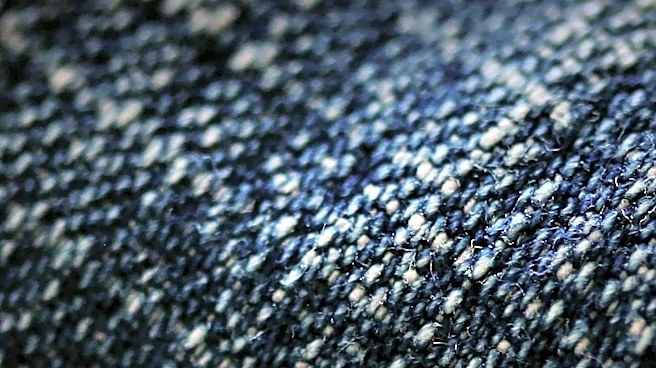
A new study by The Microfibre Consortium (TMC) has found that specific design choices in denim manufacturing can significantly reduce fibre shedding during washing. The research indicates that using mercerised yarn combined with certain washes can decrease
fibre shedding by 77 to 93 percent per wash cycle. However, popular finishes like stone washed and towel washed jeans were found to cause high levels of fibre shedding due to fabric damage. The study emphasizes the need for the denim industry to balance between effective fibre retention and minimizing environmental impact during production.
Why It's Important?
The findings of this study are crucial for the denim industry, which faces increasing scrutiny over its environmental impact. Fibre shedding contributes to microplastic pollution, a growing environmental concern. By adopting design choices that reduce fibre shedding, denim manufacturers can mitigate their environmental footprint. This research provides a pathway for the industry to enhance sustainability without compromising on product quality. As consumers become more environmentally conscious, brands that implement these findings may gain a competitive edge by appealing to eco-friendly markets.
What's Next?
The study's preliminary conclusions suggest that further research is needed to develop comprehensive strategies for sustainable denim production. Brands are encouraged to explore a balance between reducing fibre shedding and minimizing water pollution during production. The industry may see increased collaboration between manufacturers and environmental organizations to refine these practices. As awareness of microplastic pollution grows, regulatory bodies might also introduce guidelines to enforce sustainable practices in textile manufacturing, pushing the industry towards more eco-friendly solutions.