
What's Happening?
Recent discussions have emerged around the potential of certain foods to mimic the effects of GLP-1 drugs, which are used to regulate blood sugar and promote weight loss. According to Dr. David Ahn, an endocrinologist,
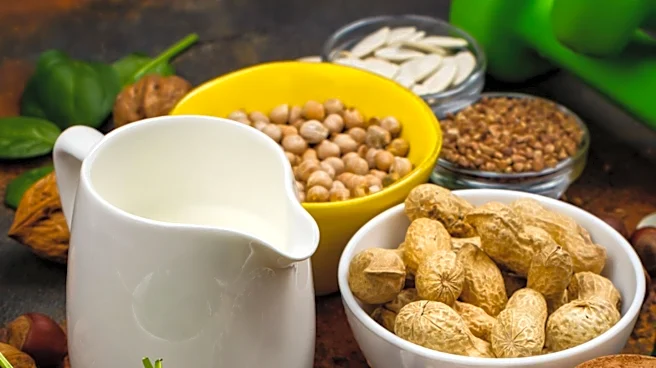
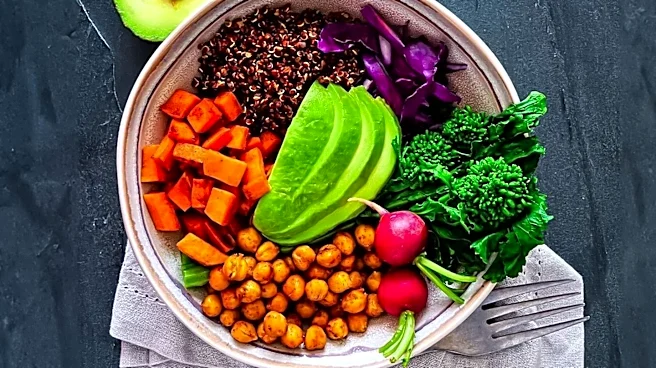
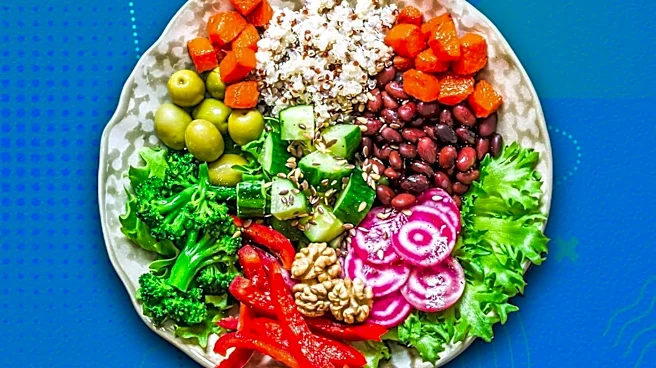
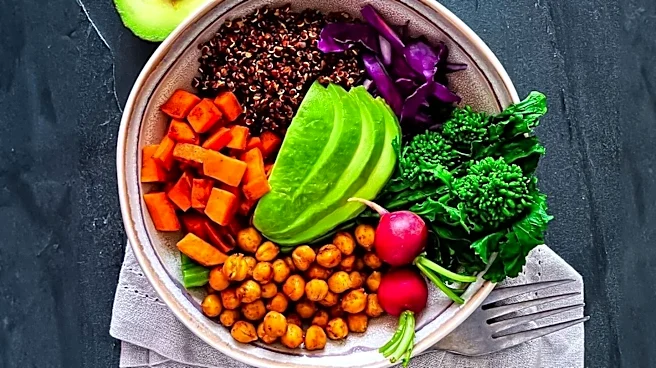
GLP-1, or glucagon-like peptide-1, is a hormone naturally produced in the small intestine that helps regulate appetite and digestion. While some foods can trigger the production of GLP-1, their effects are short-lived compared to the prolonged impact of GLP-1 medications like Ozempic and Wegovy. Dr. Mansi Sarvaiya, an internal medicine physician, highlights that foods rich in protein, fiber, and healthy fats can promote a feeling of fullness, but they do not replicate the sustained effects of GLP-1 drugs. The discussion also touches on the role of fermented foods and polyphenol-rich foods in supporting gut health and fullness.
Why It's Important?
The exploration of dietary alternatives to GLP-1 medications is significant as it offers a potential non-pharmaceutical approach to managing appetite and weight. This is particularly relevant given the high costs and accessibility issues associated with GLP-1 drugs. However, experts caution that while dietary changes can influence feelings of fullness, they do not match the efficacy of GLP-1 medications. This underscores the importance of understanding the limitations of dietary interventions and the need for medical guidance when considering alternatives to prescribed medications. The conversation also highlights the broader implications for public health, as it encourages a focus on nutrition and lifestyle changes as part of weight management strategies.