
What's Happening?
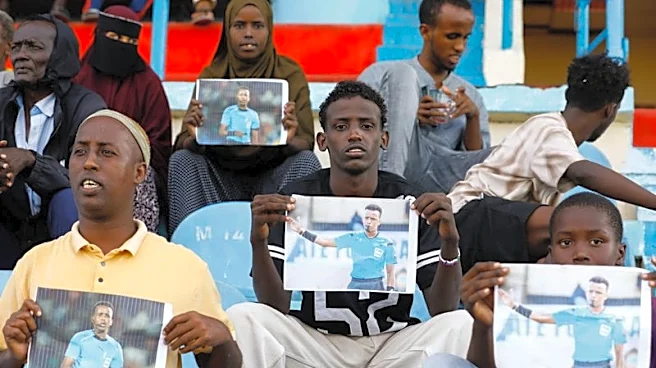
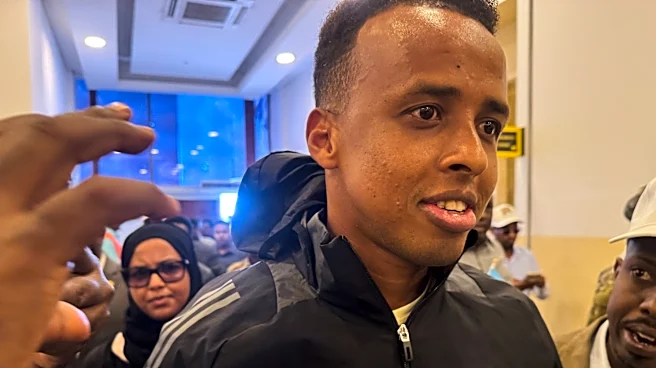
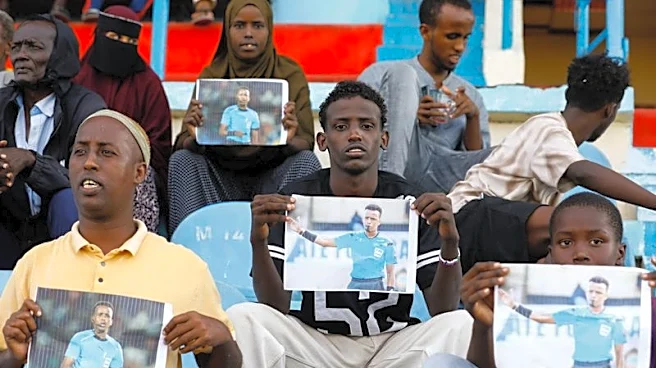
Omar Abdulkadir Artan, a Somali referee, was denied entry into the United States, preventing him from officiating at the 2026 FIFA World Cup. Artan's denial was reportedly due to vetting concerns, despite
having a valid visa. Social media posts from an account believed to be his criticized President Trump and U.S. policies, which may have influenced the decision. Artan was set to become the first Somali to officiate a World Cup match. His case highlights the impact of the Trump administration's travel ban and expanded social media vetting on individuals from affected countries.
Why It's Important?
This incident underscores the broader implications of the U.S. travel ban and social media vetting policies, particularly for individuals from countries like Somalia, which are subject to additional scrutiny. The denial of entry to a FIFA-appointed official raises questions about the U.S.'s ability to host international events and the fairness of its immigration policies. It also highlights the potential consequences of social media activity on visa decisions, reflecting the increasing role of digital footprints in immigration processes.
What's Next?
Artan's case may prompt further scrutiny of the U.S.'s travel and vetting policies, especially as the country prepares to host the World Cup. FIFA and other international bodies may seek assurances from the U.S. regarding the treatment of officials and participants. The incident could lead to diplomatic discussions between the U.S. and affected countries, as well as potential legal challenges to the policies in question.