


What's Happening?
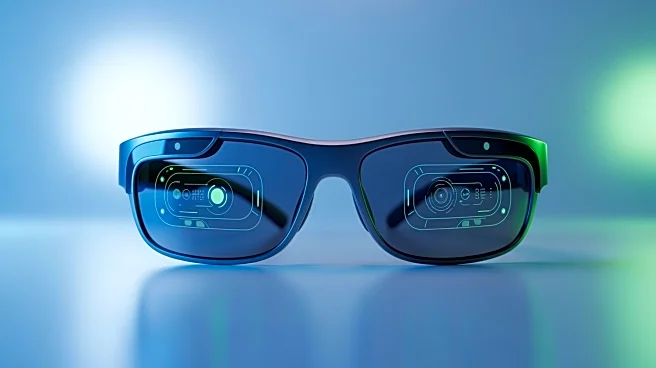
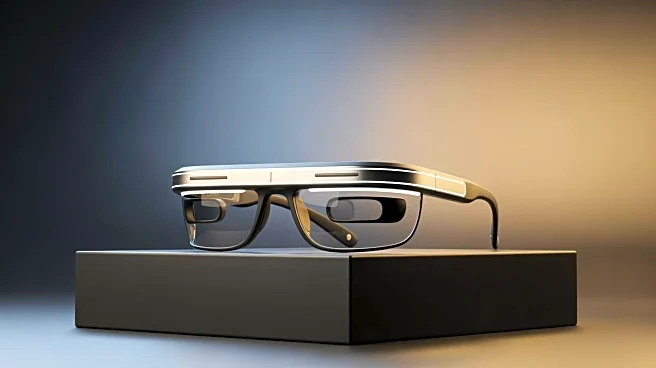
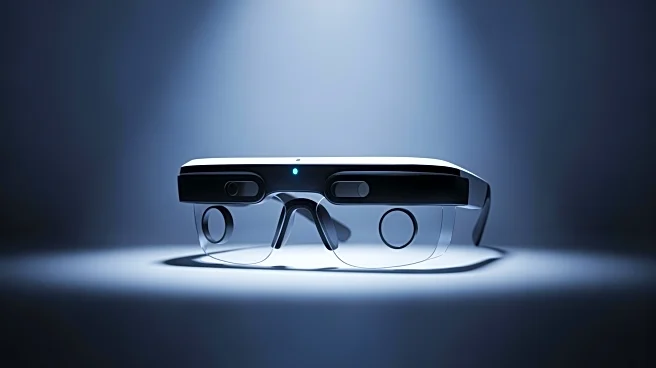
Speculation has emerged about a potential collaboration between Meta and Prada to develop augmented reality (AR) glasses, as reported by TechCrunch. This partnership could integrate luxury fashion with cutting-edge technology, potentially making AR glasses a mainstream
fashion accessory. The move is part of a broader trend where major tech companies like Meta, Snap, and Amazon are exploring AR technology, aiming to incorporate artificial intelligence into eyewear. Meta's Ray-Ban line is evolving to include real displays and applications, while Snap is planning a 2026 rollout of lightweight consumer frames. Additionally, Warby Parker and Google are reportedly working on AI-powered smart glasses, with a launch expected in 2026. These developments indicate a significant shift in how AR technology could be marketed and distributed, with luxury branding playing a crucial role in its adoption.
Why It's Important?
The potential collaboration between Meta and Prada highlights the growing intersection of fashion and technology, which could accelerate the adoption of AR glasses beyond tech enthusiasts to mainstream consumers. This trend could redefine how consumers interact with technology, making it a part of everyday fashion. The involvement of luxury brands like Prada suggests that AR glasses could become a status symbol, similar to high-end watches or designer handbags. For the tech industry, this represents a new market opportunity, potentially increasing sales and driving innovation in AR technology. Retailers and eyewear brands could also benefit from new distribution channels and consumer interest, while consumers might experience enhanced convenience and functionality in their daily lives.
What's Next?
If the collaboration between Meta and Prada materializes, it could lead to a series of product launches that blend fashion with technology. This could prompt other luxury brands to explore similar partnerships, further integrating AR technology into the fashion industry. The success of these products will likely depend on consumer acceptance and the ability of companies to address privacy and security concerns associated with AR technology. Additionally, the rollout of these products could influence the development of new applications and services tailored to AR glasses, potentially transforming industries such as retail, navigation, and communication.