



What's Happening?
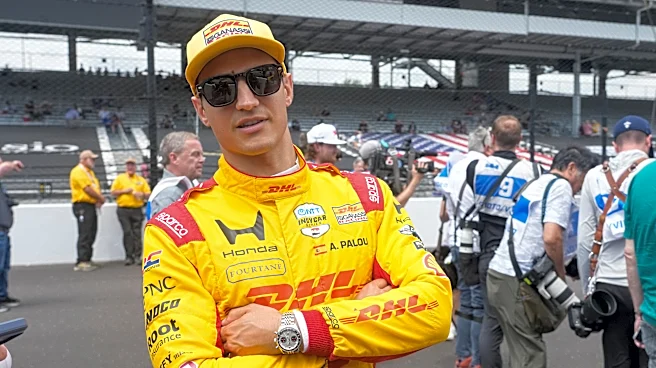
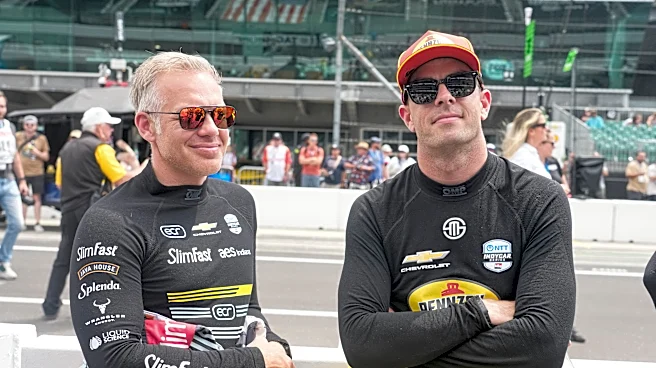
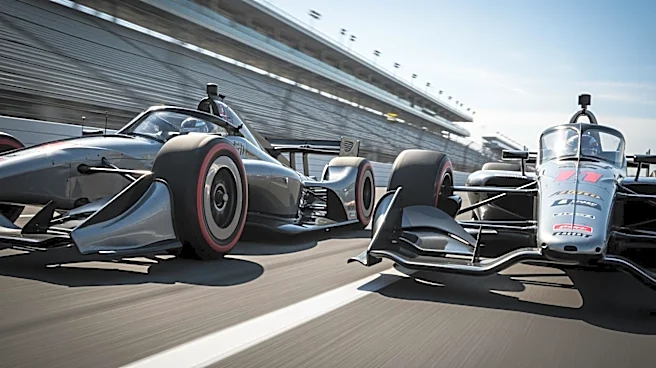
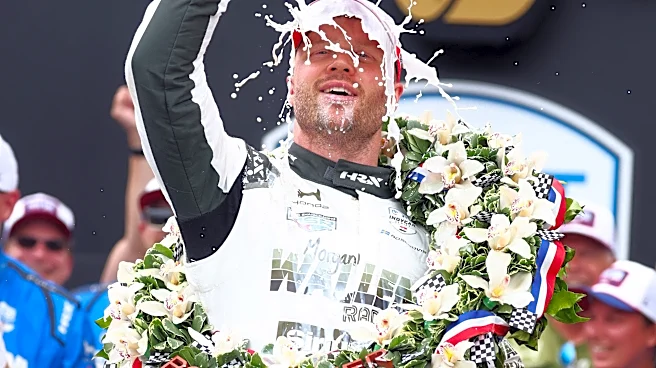
Felix Rosenqvist achieved a historic victory at the Indianapolis 500, winning by a mere 0.0233 seconds, marking the closest finish in the race's 110-year history. The race, held at the Indianapolis Motor Speedway, was marked by a series of dramatic events,
including a late caution that reshuffled the leading positions. Rosenqvist, driving for Meyer Shank Racing, managed to overtake David Malukas in the final stretch, securing his first win on an oval track. This victory is particularly significant for Rosenqvist, who had faced challenges in his career, including a period of uncertainty about his future in IndyCar racing. The win was celebrated by a large crowd, with Rosenqvist expressing disbelief and joy at the outcome.
Why It's Important?
Rosenqvist's victory is a significant milestone in his career and for Meyer Shank Racing, a team that has been striving to establish itself as a formidable competitor in IndyCar racing. The win not only enhances Rosenqvist's legacy but also highlights the potential for underdog teams to succeed in high-stakes competitions. This outcome may inspire other drivers and teams facing similar challenges, demonstrating that perseverance and strategic racing can lead to success. Additionally, the close finish adds to the excitement and unpredictability of the Indianapolis 500, maintaining its reputation as a premier event in motorsports.
What's Next?
Following this victory, Rosenqvist and Meyer Shank Racing are likely to gain increased attention and support from sponsors and fans. The team may leverage this success to build momentum for future races, potentially attracting new talent and resources. For David Malukas, the narrow loss serves as a learning experience, and he is expected to return with renewed determination in future competitions. The close finish may also prompt discussions within the racing community about strategies and technologies that can influence race outcomes, potentially leading to innovations in car design and race tactics.
Beyond the Headlines
Rosenqvist's win underscores the importance of resilience and adaptability in professional sports. His journey from uncertainty to victory highlights the personal and professional growth that athletes can experience through perseverance. The race also serves as a reminder of the emotional highs and lows inherent in competitive sports, as seen in the contrasting experiences of Rosenqvist and Malukas. This event may influence the culture of IndyCar racing, encouraging a focus on mental toughness and strategic thinking as key components of success.