






What's Happening?
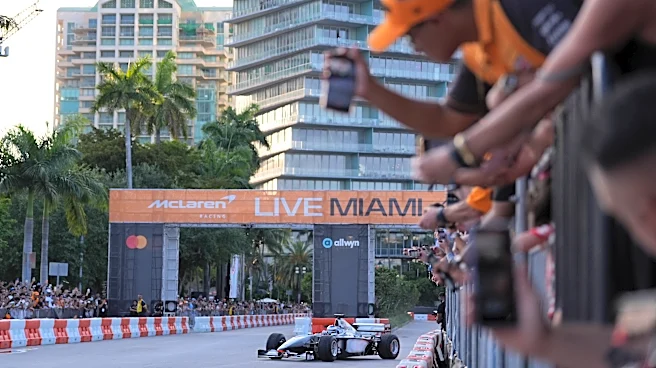
The 2026 Miami Grand Prix has become a significant event on the Formula 1 calendar, attracting major fashion, beauty, and lifestyle brands to showcase their latest collaborations and collections. Adidas has partnered with the Audi Revolut Formula 1 team
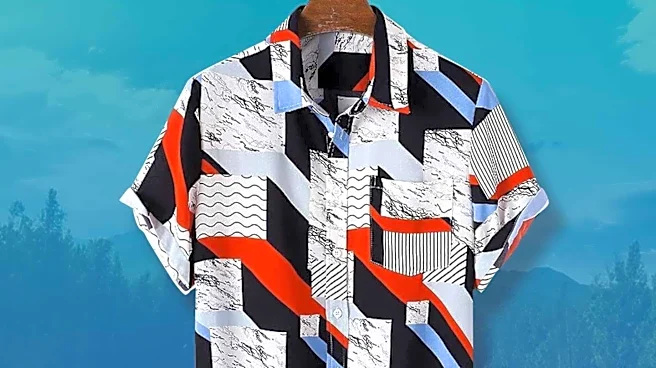
to launch a race-specific collection, blending lifestyle and performance elements. Aéropostale has introduced a Formula 1 capsule collection aimed at Gen Z, featuring racing-inspired prints and bold colorways. Bylt, the official apparel fan gear partner, has released a 16-piece collection embodying Miami's spirit. Other brands like Dermalogica, Liquid I.V., New Era, Nahmias, Psycho Bunny, Ray-Ban, Refy Beauty, SheaMoisture, Tommy Hilfiger, Tag Heuer, and Y-3 have also launched exclusive products and hosted events around the Grand Prix, highlighting the intersection of motorsports and fashion.
Why It's Important?
The convergence of fashion and motorsports at the Miami Grand Prix underscores the growing trend of cross-industry collaborations, which can enhance brand visibility and consumer engagement. For fashion brands, aligning with a high-profile event like Formula 1 offers a platform to reach a diverse and global audience, particularly appealing to younger demographics such as Gen Z. This synergy not only boosts brand recognition but also drives sales through exclusive, limited-edition collections. The involvement of major brands in the Grand Prix reflects the increasing importance of lifestyle branding in sports, where the focus extends beyond performance to include cultural and aesthetic elements. This trend could influence future marketing strategies across industries, emphasizing the value of experiential and sensory-driven consumer interactions.
What's Next?
As the Miami Grand Prix continues to grow in prominence, it is likely that more brands will seek to capitalize on the event's global reach and cultural significance. Future collaborations may explore deeper integrations between fashion, technology, and motorsports, potentially leading to innovative product offerings and marketing campaigns. Stakeholders in the fashion and sports industries may also explore sustainable practices and materials, aligning with broader environmental goals. The success of these collaborations could inspire similar initiatives at other major sporting events, further blurring the lines between different sectors and creating new opportunities for consumer engagement.