



What's Happening?
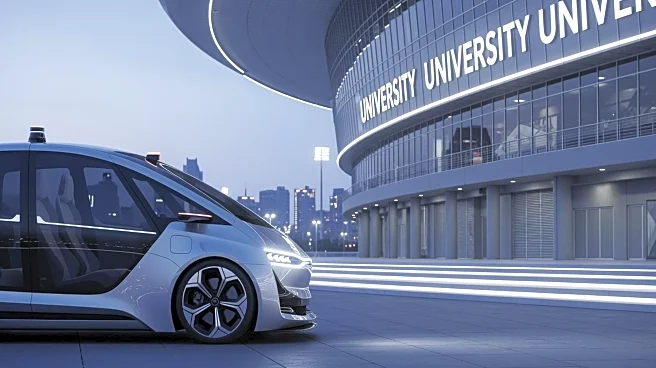
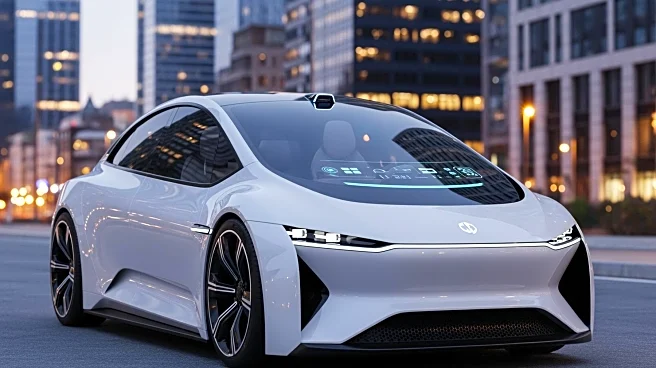
Uber has announced plans to introduce a fleet of robotaxis in Los Angeles within the year, marking a significant step in its autonomous vehicle strategy. The initiative, part of Uber's new program called Uber Autonomous Solutions, aims to integrate self-driving
vehicles into its existing ride-hailing platform. This move follows a partnership with Volkswagen, utilizing their autonomous electric minivan, the ID. Buzz, equipped with technology from Volkswagen's tech brand MOIA. Uber's strategy involves providing access to its extensive customer base and infrastructure to companies developing autonomous vehicles, allowing them to scale operations efficiently. This approach represents a shift from Uber's previous attempts to develop its own autonomous vehicles, which it abandoned in 2020. The company is also collaborating with other tech firms like Waymo and Nuro to expand its autonomous services.
Why It's Important?
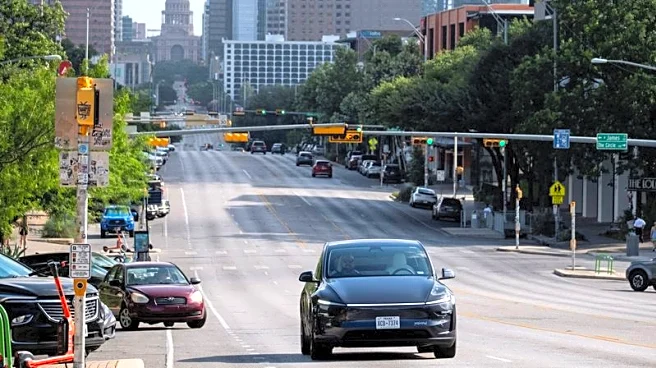
The introduction of robotaxis in Los Angeles by Uber could significantly impact the ride-hailing industry, potentially setting a new standard for urban transportation. By leveraging partnerships with established automotive and tech companies, Uber aims to enhance the efficiency and reliability of its services while reducing operational costs. This development could lead to increased competition in the autonomous vehicle market, with major players like Waymo and Tesla also vying for dominance. For consumers, the availability of robotaxis promises safer and potentially more affordable transportation options. Additionally, Uber's investment in infrastructure, such as fast-charging stations for electric vehicles, underscores its commitment to sustainable and innovative mobility solutions.
What's Next?
As Uber prepares to launch its robotaxi service in Los Angeles, the company will likely focus on ensuring the safety and reliability of its autonomous vehicles. Regulatory approvals and public acceptance will be critical factors in the successful deployment of these services. Uber's partnerships with companies like Volkswagen, Waymo, and Nuro suggest a collaborative approach to overcoming technical and logistical challenges. The expansion of autonomous ride-hailing services could prompt other cities to consider similar initiatives, potentially leading to broader adoption of self-driving technology across the U.S. Stakeholders, including city planners and policymakers, will need to address infrastructure and regulatory frameworks to accommodate this emerging mode of transportation.