





What's Happening?
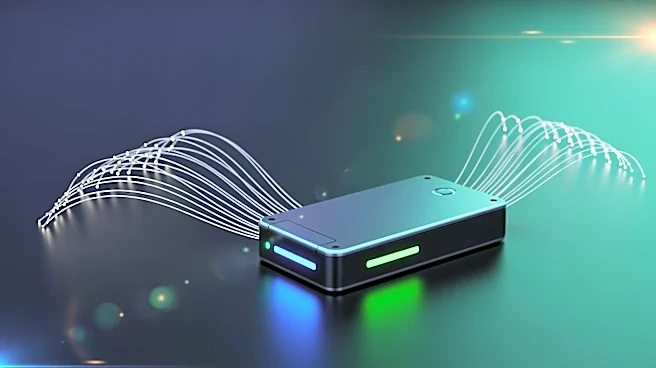
Harmonic has announced a collaboration with DNA Finland, the second-largest mobile and fixed broadband operator in Finland, to expand multi-gigabit services into lower-density multi-dwelling units (MDUs). This expansion is facilitated by Harmonic's SeaStar
optical node, which allows DNA Finland to deliver fiber-grade connectivity to brownfield MDU environments. These environments have traditionally been challenging due to permitting complexities and high rewiring costs. The SeaStar node supports up to 16 low-cost optical mini nodes installed at the MDUs via point-to-point fiber connections, which then connect directly to the MDU’s existing coax cabling. This setup reduces infrastructure requirements and operational costs while extending reliable high-speed broadband services to more MDUs.
Why It's Important?
The expansion of broadband services into lower-density MDUs is significant as it addresses the challenge of providing high-speed internet in areas that are difficult to service due to infrastructure limitations. By leveraging existing coax wiring, DNA Finland can offer competitive broadband services without the need for extensive new infrastructure. This move not only broadens DNA Finland's market reach but also enhances connectivity for residents in these areas, potentially boosting economic activities and quality of life. The use of Harmonic's technology also highlights the growing importance of innovative solutions in overcoming traditional barriers in the telecommunications industry.
What's Next?
As DNA Finland continues to implement Harmonic's SeaStar optical node, it is expected that more MDUs will gain access to high-speed broadband services. This could lead to increased competition in the broadband market as other operators may seek similar solutions to expand their service areas. Additionally, the success of this initiative could encourage further technological advancements and partnerships aimed at improving connectivity in challenging environments.