



What's Happening?
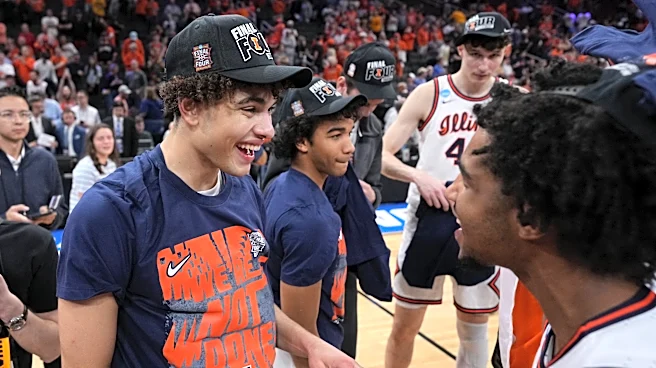
Brad Underwood, the head coach of the Illinois Fighting Illini, has successfully led his team to the NCAA Tournament Final Four for the first time since 2005. Underwood, who has been an NCAA head coach since 2013, has held five different head coaching
roles throughout his career. He began his coaching journey as a graduate assistant at Hardin-Simmons in 1986 and gradually progressed through various coaching positions, including head coach at Dodge City Community College and Daytona Beach Community College. Underwood's tenure at Illinois has seen significant success, with the team becoming an annual contender in the Big Ten and producing a growing list of All-Americans. His coaching record includes a total of 302 wins in NCAA competitions, although he has yet to secure an NCAA Tournament championship.
Why It's Important?
Underwood's leadership has revitalized the Illinois basketball program, making it a formidable force in college basketball. His ability to guide the team to the Final Four highlights his strategic acumen and the effective development of his players. This achievement not only boosts the reputation of Illinois in the NCAA but also enhances Underwood's standing as one of the most experienced coaches in the country. The success of the Illinois team under his guidance could lead to increased recruitment opportunities and further investment in the program, potentially elevating the team's status in future NCAA tournaments.
What's Next?
With the Illinois Fighting Illini reaching the Final Four, the team is poised to compete for the NCAA championship. The upcoming games will test Underwood's coaching strategies and the team's resilience against top-tier opponents. Success in the Final Four could lead to further accolades for Underwood and solidify his legacy as a leading figure in college basketball coaching. Additionally, the team's performance may influence future recruitment and funding, impacting the program's long-term prospects.
Beyond the Headlines
Underwood's journey through various coaching roles reflects the dedication and adaptability required to succeed in collegiate sports. His progression from assistant roles to head coach positions demonstrates the importance of experience and mentorship in developing coaching skills. The cultural impact of his leadership extends beyond the basketball court, as it inspires aspiring coaches and players to pursue excellence through perseverance and strategic thinking. Underwood's story is a testament to the transformative power of sports in shaping careers and influencing educational institutions.