

What's Happening?
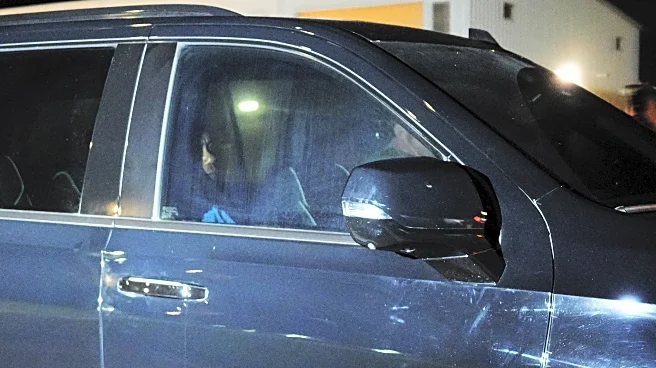
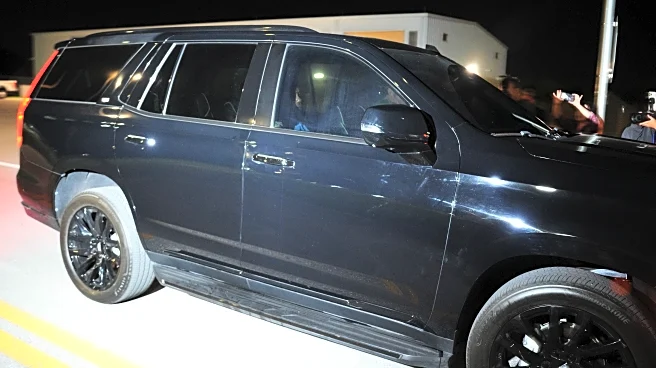
Tiger Woods, the renowned golfer, attributed his recent car crash in Jupiter Island, Florida, to distracted driving. According to an arrest affidavit obtained by ESPN, Woods admitted to looking at his cellphone and changing the radio station before the accident.
The incident led to Woods being charged with suspicion of misdemeanor DUI with property damage. He was released on a $1,000 bond after eight hours. The Martin County Sheriff reported that a breathalyzer test showed no alcohol presence, but Woods refused a urinalysis test for other drugs. During the investigation, Woods exhibited signs of impairment, including lethargic movements and bloodshot eyes. He admitted to taking prescription pills, though the specific medications were not disclosed. This crash adds to Woods' history of vehicular incidents, including a major accident in Los Angeles in 2021.
Why It's Important?
This incident highlights ongoing concerns about distracted driving and its potential consequences, even for high-profile individuals like Tiger Woods. The crash could impact Woods' public image and professional engagements, especially given his history of similar incidents. It also raises questions about the effectiveness of current measures to prevent distracted driving. For the sports industry, Woods' situation may influence sponsorships and partnerships, as companies often reassess their associations with athletes involved in legal issues. Additionally, this event may prompt discussions on the responsibilities of public figures in setting examples for safe driving practices.
What's Next?
The legal proceedings following Woods' arrest will likely unfold in the coming weeks, potentially involving court appearances and further investigations. Woods' team and the PGA Tour may issue statements addressing the incident and its implications for his career. Public and media scrutiny will continue, possibly affecting Woods' future participation in tournaments and his standing in the golfing community. Stakeholders in the sports and entertainment industries will monitor the situation closely, considering its impact on brand associations and public relations strategies.