
What's Happening?
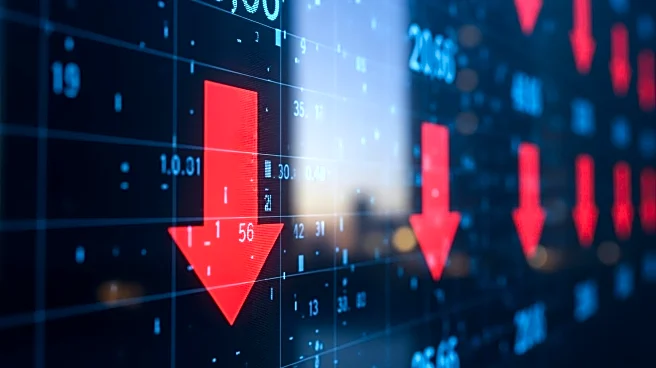
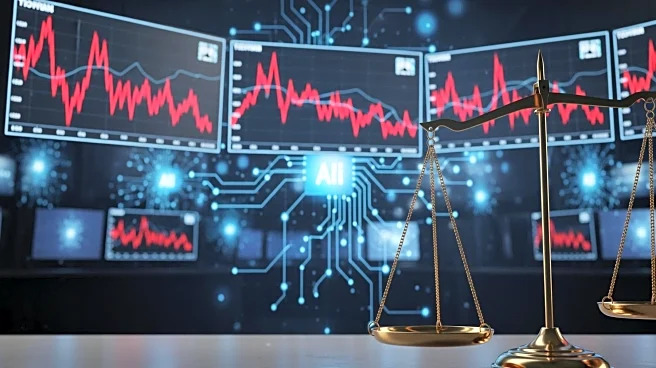
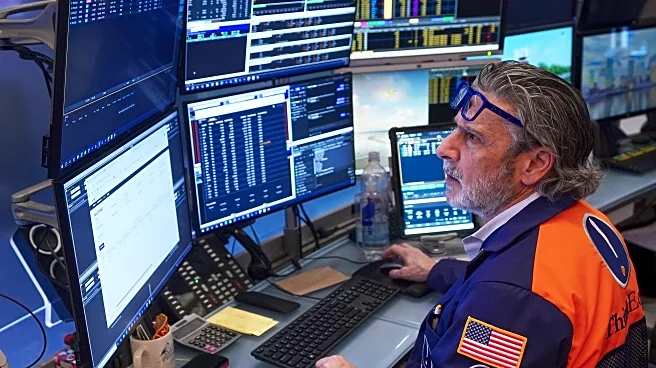
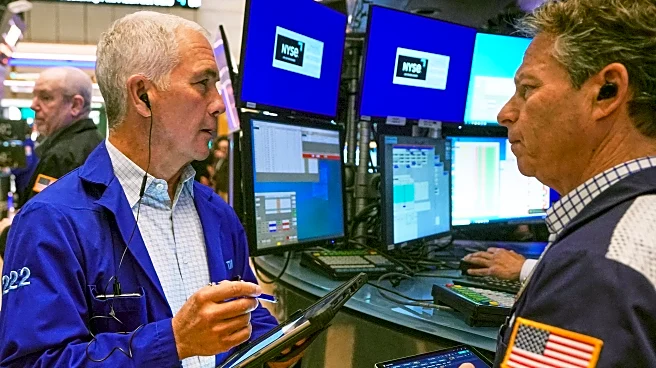
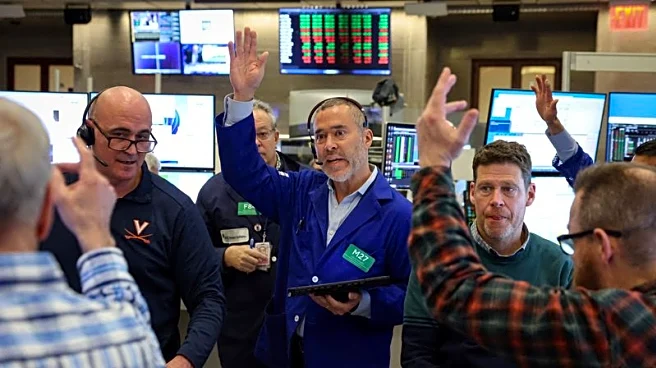
On February 27, 2026, Wall Street's major indexes, including the S&P 500 and Nasdaq, experienced a notable decline, marking their steepest monthly loss since March 2025. This downturn is attributed to growing concerns over artificial intelligence (AI)
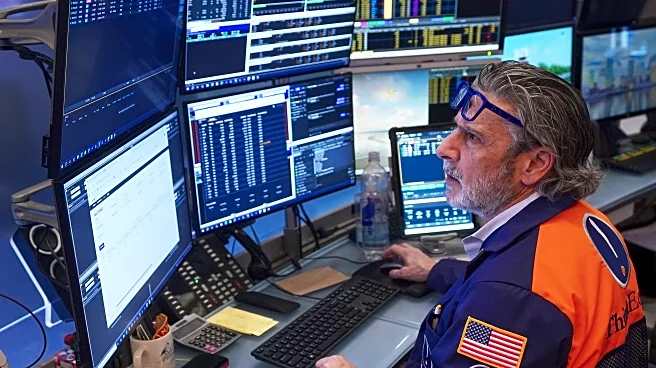
investments and their uncertain returns, coupled with higher-than-expected inflation data. Technology stocks, particularly those involved in AI, faced significant selling pressure. Nvidia, for instance, saw a 2.4% drop following a previous session's 5% decline despite strong earnings. The broader technology index fell by 1.7%, while financials dropped by 2.1%. Additionally, Jefferies faced a 9.5% decline due to potential losses linked to the collapse of a UK mortgage provider. Defensive sectors like consumer staples, utilities, and healthcare saw gains as investors shifted focus.
Why It's Important?
The decline in major indexes highlights the market's sensitivity to AI-related investments and inflation concerns. The selloff in technology stocks reflects investor apprehension about the high valuations and the uncertain payoff from substantial AI spending by big tech companies. This situation underscores the broader economic implications of AI investments and inflationary pressures, which could affect corporate earnings and market stability. The shift towards defensive sectors indicates a strategic move by investors to mitigate risks, potentially impacting future investment patterns and sector performance. The market's reaction to these developments could influence economic policies and corporate strategies, particularly in the technology and financial sectors.
What's Next?
As the market adjusts to these developments, investors and analysts will likely monitor AI investment trends and inflation data closely. Companies may reassess their AI spending strategies to align with investor expectations and market conditions. Additionally, the potential for further inflationary pressures could prompt policymakers to consider measures to stabilize the economy. The ongoing rotation towards defensive sectors may continue if uncertainty persists, influencing future market dynamics. Stakeholders, including businesses and policymakers, will need to navigate these challenges to maintain economic stability and investor confidence.