


What's Happening?
Gold prices have fallen as a stronger U.S. dollar and fading prospects of an interest rate cut weigh on the market. Spot gold dropped 5.6% to $5,029.59 an ounce, while U.S. gold futures decreased by 5.1% to $5,041.50. The decline is attributed to a flight
to liquidity, with investors seeking cash amid rising bond yields and a strong dollar. The ongoing conflict in Iran has contributed to geopolitical uncertainty, driving up energy prices and stoking inflation fears. This has led to a reassessment of rate-cut expectations, leaving gold with limited support despite its traditional role as a hedge against inflation and turmoil.
Why It's Important?
The decline in gold prices highlights the complex interplay between geopolitical tensions, currency strength, and monetary policy expectations. As a safe-haven asset, gold typically benefits from uncertainty and low interest rates. However, the strong dollar and rising bond yields have made gold less attractive to investors. The Iran conflict's impact on energy prices and inflation has further complicated the outlook for interest rates, affecting gold's appeal. The situation underscores the challenges faced by investors in navigating volatile markets and the importance of monitoring geopolitical developments and central bank actions.
What's Next?
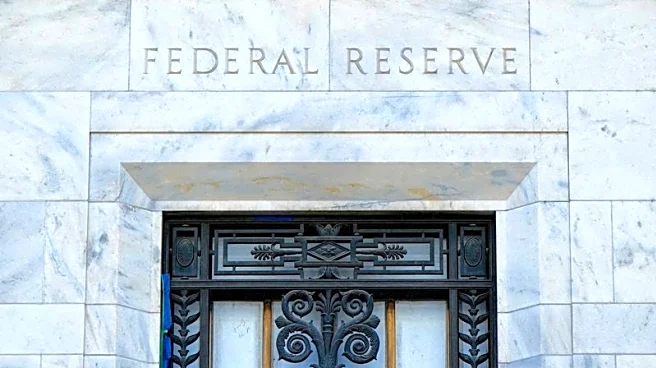
Gold prices may continue to fluctuate based on developments in the Iran conflict and changes in monetary policy expectations. Investors will be closely watching the Federal Reserve's actions and communications for clues on future interest rate decisions. The potential for further geopolitical tensions and their impact on energy prices and inflation will also be key factors influencing gold's trajectory. Market participants will need to remain vigilant and adaptable in response to these evolving dynamics.