





What's Happening?
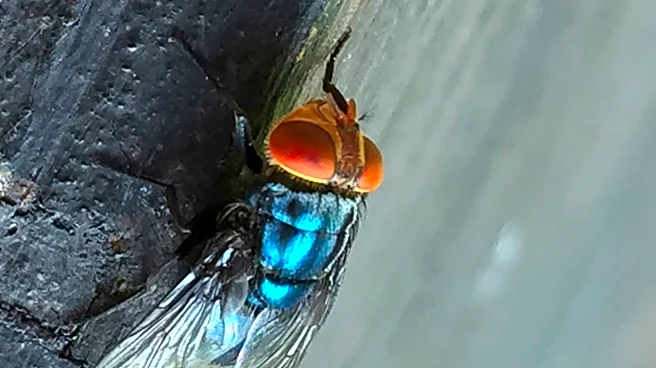
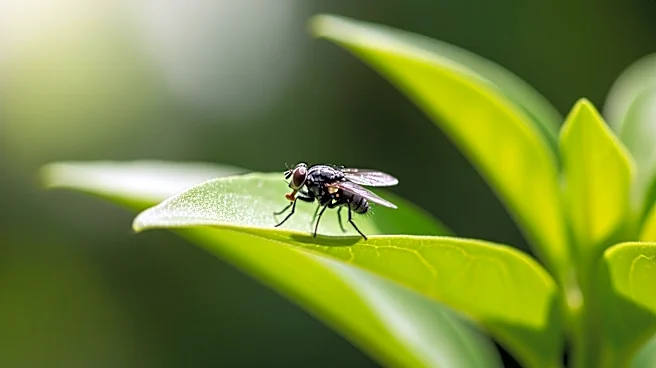
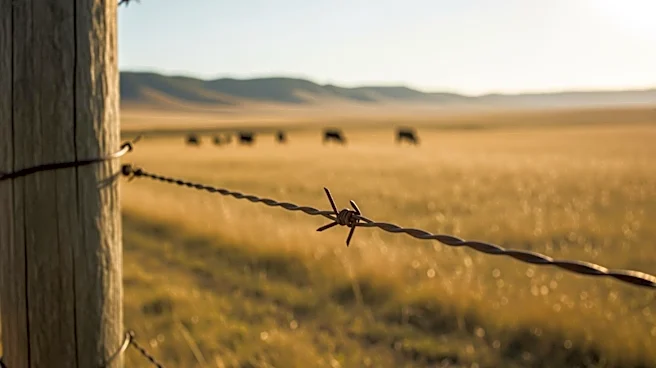
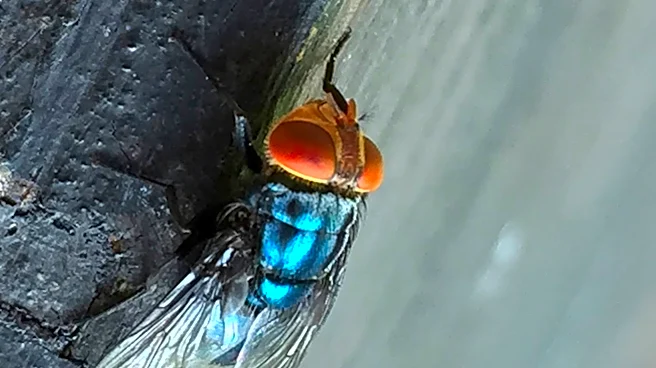
The screwworm, a flesh-eating parasite, has re-emerged in Texas cattle after decades, with at least three confirmed cases. The outbreak comes as the beef industry grapples with the smallest cattle herd in 75 years due to prolonged droughts, driving beef prices
to record highs. Experts suggest that while the screwworm cases may not cause immediate price spikes, they could keep prices elevated. The parasite increases costs for ranchers, adding financial and mental stress to an already challenging profession.
Why It's Important?
The return of the screwworm poses a significant threat to the U.S. beef industry, which is already under pressure from reduced cattle herds and high prices. An outbreak could exacerbate supply issues, impacting consumers and the economy. The situation highlights the vulnerability of the agricultural sector to pests and diseases and the importance of effective management and prevention strategies. The potential economic impact underscores the need for coordinated efforts to contain the outbreak and support affected ranchers.
What's Next?
Efforts are underway to contain the screwworm outbreak, including the production of sterile flies to control the population. The USDA is investing in facilities to mass-produce sterile flies and seeking approval for genetically modified flies to enhance control measures. The success of these efforts will determine the extent of the outbreak's impact on the beef industry and consumer prices. Ongoing monitoring and rapid response are crucial to preventing a widespread crisis.