





What's Happening?
The SEC and Big Ten conferences have publicly opposed a bipartisan bill aimed at regulating the college sports industry. The bill, known as the Protect College Sports Act, seeks to provide the NCAA with an antitrust exemption to enforce rules on athlete
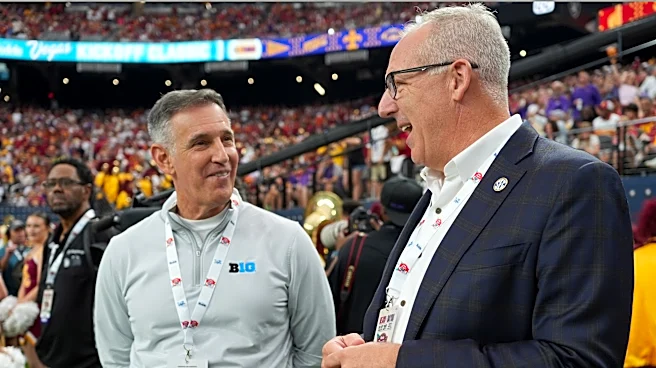
transfers, eligibility, and coaching poaching. The SEC and Big Ten argue that the bill fails to address critical issues, such as preempting state laws with a federal mandate, which is essential for gaining support from the NCAA and other conferences. The bill has backing from the Big 12 and ACC, but the SEC and Big Ten, being the wealthiest leagues with significant influence over the College Football Playoff, hold substantial sway. A key provision of the bill would allow conferences to pool media rights, a concept the SEC and Big Ten have dismissed as unlikely to yield the financial benefits suggested by proponents.
Why It's Important?
The opposition from the SEC and Big Ten is significant because these conferences are major players in college sports, particularly in football. Their stance could hinder the bill's progress and affect the NCAA's ability to implement uniform regulations across states. The bill's failure to preempt state laws could lead to a fragmented regulatory environment, complicating compliance for schools and athletes. The potential pooling of media rights is a contentious issue, as it could reshape financial dynamics within college sports, impacting revenue distribution among conferences. The SEC and Big Ten's resistance highlights the complexities of balancing federal oversight with the autonomy of individual conferences, which could influence future legislative efforts in college sports governance.
What's Next?
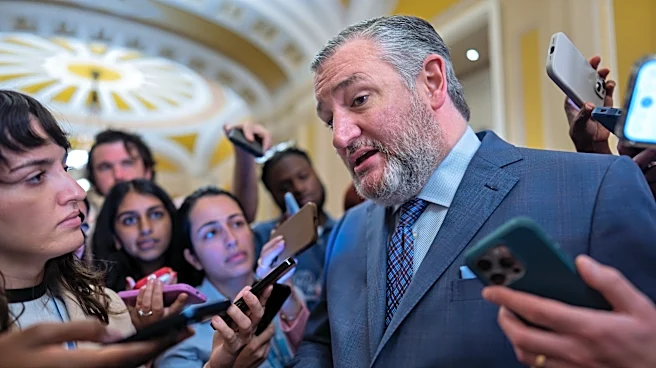
The Senate Commerce Committee is scheduled to hold a hearing on the bill, chaired by Sen. Ted Cruz, who co-drafted the legislation. The outcome of this hearing could determine the bill's future, as lawmakers and stakeholders debate its provisions and implications. The SEC and Big Ten's opposition may prompt revisions to address their concerns, particularly regarding state law preemption and media rights pooling. Other conferences and the NCAA will likely continue lobbying for or against the bill, depending on how it aligns with their interests. The legislative process will involve negotiations and potential amendments to reconcile differing viewpoints and achieve a consensus that satisfies major stakeholders.