



What's Happening?
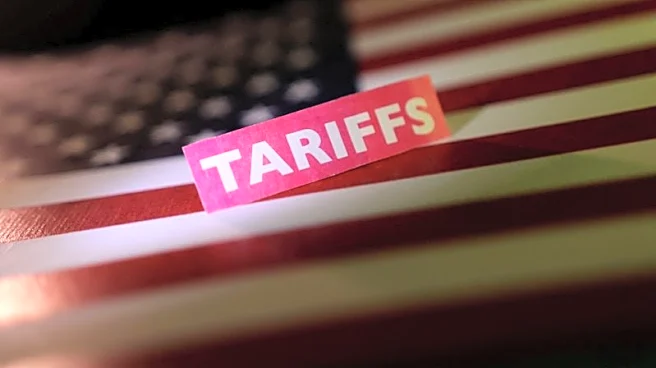
The U.S. Supreme Court has invalidated a portion of President Trump's tariffs, ruling that he exceeded his constitutional authority. The decision, which was made in a 6-to-3 vote, challenges the use of the International Emergency Economic Powers Act by
the Trump administration to impose tariffs due to trade deficits. The ruling has created uncertainty in trade policies, as the tariffs were a key component of Trump's economic strategy. The Supreme Court's decision did not specify how or if the U.S. would reimburse the estimated $175 billion collected in tariffs. President Trump has announced plans to reaffirm some tariffs under different authorities, asserting his right to impose higher tariffs for national security purposes.
Why It's Important?
This ruling has significant implications for U.S. trade policy and the global economy. The tariffs have been a contentious issue, affecting major exporters and the manufacturing sector. The decision could lead to changes in trade dynamics, impacting businesses and consumers. The uncertainty surrounding the reimbursement of tariffs and the potential for new tariffs could affect importers and exporters, leading to fluctuations in trade volumes. The ruling also highlights the constitutional limits of presidential power in trade matters, emphasizing the role of Congress in tariff imposition.
What's Next?
Following the Supreme Court's decision, the U.S. Court of International Trade is expected to begin crafting relief for importers. President Trump has indicated plans to use other legal justifications to maintain tariffs, which could involve additional investigations by the U.S. Trade Representative's Office. This ongoing legal and policy maneuvering is likely to prolong uncertainty for shippers and businesses reliant on international trade. Stakeholders, including major shipping lines and trade organizations, will be closely monitoring developments as they adapt to the evolving trade landscape.