





What's Happening?
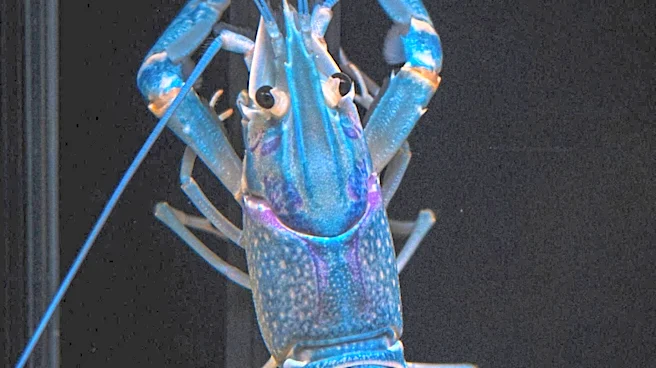
Recent research conducted by a team at the University of Gothenburg has revealed that lobsters experience pain in a manner similar to mammals, including humans. This study has reignited the debate over the ethical treatment of lobsters, particularly concerning
the traditional method of boiling them alive. The researchers administered electrical shocks to Norway lobsters, which are considered painful to humans, and observed their behavior. When untreated, the lobsters attempted to escape by flipping their tails. However, when given painkillers like aspirin or lidocaine, these escape attempts ceased, indicating that their responses were not merely reflexive but indicative of pain perception. This finding has led scientists to call for a legal ban on boiling lobsters alive, a practice already prohibited in countries like Austria, Norway, and New Zealand.
Why It's Important?
The study's findings have significant implications for animal welfare and culinary practices. If lobsters are indeed capable of feeling pain, the ethical considerations surrounding their preparation and consumption become more pressing. This could lead to changes in legislation and culinary practices in the U.S., where boiling lobsters alive is a common method of preparation. The potential ban could affect the seafood industry, requiring new methods for humane killing, such as electrical stunning. This shift could also influence consumer behavior, as awareness of animal welfare issues grows. The study underscores the need for humane treatment of all animals, aligning with broader societal trends towards ethical consumption and animal rights.
What's Next?
Following the study, there may be increased pressure on lawmakers and regulatory bodies to consider implementing a ban on boiling lobsters alive in the U.S. Animal rights organizations and ethical food advocates are likely to support such measures, potentially leading to legislative proposals. The seafood industry may need to explore alternative methods for lobster preparation that align with humane standards. Additionally, public awareness campaigns could emerge to educate consumers about the findings and encourage more ethical consumption choices. The debate may also extend to other crustaceans and seafood, prompting a reevaluation of current practices across the industry.