


What's Happening?
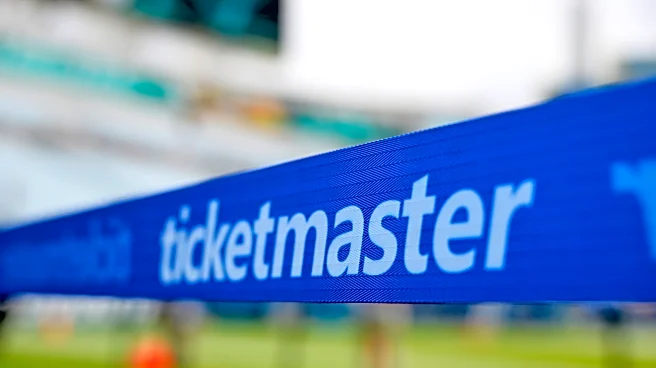
Federal prosecutors have initiated an antitrust trial against Live Nation and its subsidiary Ticketmaster, accusing them of exploiting monopoly power to dominate the live-entertainment industry. The trial, which began on March 3, follows allegations that
Live Nation coerces artists into using its promotion services by leveraging its network of venues. Additionally, the company is accused of forcing venues into exclusive, long-term contracts with Ticketmaster. The Department of Justice (DOJ) filed the lawsuit in May 2024, seeking to dismantle the alleged monopoly. Despite Live Nation's attempts to dismiss the case, the trial proceeds with claims that the company illegally ties access to its venues to its promotion services and compels venues to use Ticketmaster by threatening to withhold popular tours.
Why It's Important?
The outcome of this trial could significantly impact the live-entertainment industry, potentially altering how concerts are promoted and ticketed in the U.S. If the DOJ succeeds, it may lead to increased competition, potentially lowering ticket prices and improving service quality for consumers. The case highlights ongoing concerns about monopolistic practices in the entertainment sector, which could prompt further regulatory scrutiny. Artists, venues, and fans stand to benefit from a more competitive market, while Live Nation and Ticketmaster could face substantial operational changes and financial repercussions if found guilty.
What's Next?
The trial is expected to last five to six weeks, with testimony from high-profile artists like Kid Rock and executives such as Live Nation CEO Michael Rapino. The court's decision could set a precedent for future antitrust cases in the entertainment industry. Stakeholders, including artists, venue operators, and competing ticketing services, will be closely monitoring the proceedings. A ruling against Live Nation could lead to a restructuring of its business practices and influence how other large entertainment companies operate.