



What's Happening?
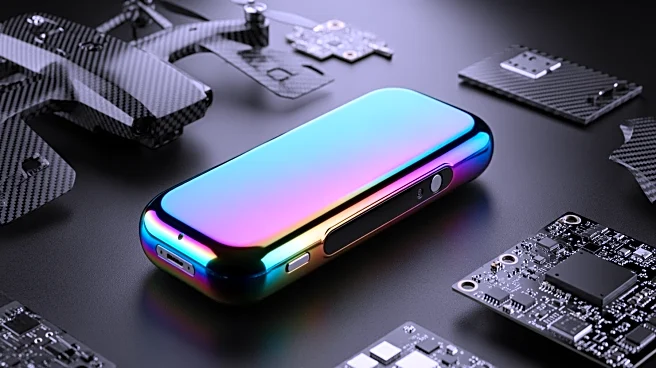
ModRetro, a company known for its retro gaming consoles, has announced a new version of its Chromatic handheld device, which is partially constructed using materials from military drones. The CEO of ModRetro, Palmer Luckey, who also owns the weapons manufacturer Anduril, has introduced this new edition called the 'Anduril Edition.' This version of the Chromatic is made with a magnesium aluminum alloy and a ceramic-polymer coating, both used in Anduril's autonomous attack drones. The announcement has sparked controversy within the retro gaming community due to the association with military technology. The handheld is also adorned with Anduril's logo, further emphasizing its connection to the defense industry.
Why It's Important?
The introduction of the Anduril Edition
Chromatic handheld highlights the intersection of consumer electronics and military technology, raising ethical questions about the use of defense materials in consumer products. This development could influence public perception of ModRetro and its products, potentially affecting sales and brand reputation. The controversy also underscores broader societal debates about the militarization of technology and its implications for consumer markets. Stakeholders in the gaming industry, including consumers and retailers, may need to consider the ethical dimensions of supporting products linked to military applications.
What's Next?
The reaction from the retro gaming community and broader consumer base will likely shape ModRetro's future product strategies. If backlash continues, the company may need to address consumer concerns or reconsider its marketing approach. Additionally, other companies in the tech and gaming sectors might evaluate their own supply chains and material sources to avoid similar controversies. The situation could also prompt discussions about regulatory oversight on the use of military-grade materials in consumer products.
Beyond the Headlines
This development may lead to increased scrutiny of the relationships between tech companies and defense contractors. It could also spark a broader conversation about the ethical responsibilities of tech companies in choosing their material sources. The use of military-grade materials in consumer products might set a precedent, influencing future product designs and industry standards. Furthermore, this case could serve as a catalyst for discussions on corporate transparency and consumer rights in the tech industry.