

The Ever-Changing Thanksgiving Feast
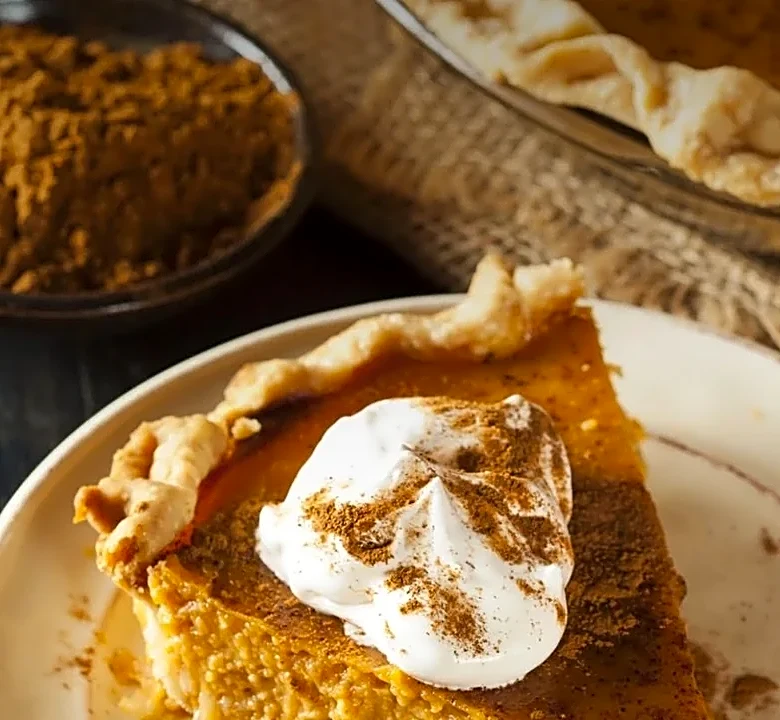
Forget what the paintings show. The first Thanksgiving meal in 1621 likely included venison, wildfowl, corn, and shellfish, but many of today's staples were nowhere in sight. Potatoes hadn't been widely adopted, and the lack of sugar meant no cranberry sauce or pumpkin pie as we know it. It was magazine editor Sarah Josepha Hale, who campaigned for Thanksgiving to become a national holiday, who helped standardize the menu in the mid-19th century. Her cookbooks promoted roast turkey, stuffing, and pumpkin pie, creating the blueprint for the classic meal. Early 20th-century photographs capture this shift. Black-and-white images from the 1910s and 1920s show families formally gathered, but the tables look sparse compared to today's abundance. By
the post-war boom of the 1940s and 50s, photos show kitchens buzzing and tables groaning under the weight of the turkey and a host of new 'traditional' sides, thanks to the rise of convenience foods like canned green beans and frozen turkeys.
The Humble Beginnings of the Thanksgiving Parade
Before it was a televised national spectacle, the Macy's Thanksgiving Day Parade was a local affair. Inspired by Philadelphia's Gimbels parade, which started in 1920, Macy's launched its own in 1924, calling it a 'Christmas Parade'. Early photos reveal a charmingly low-tech event. Instead of giant helium balloons, the first parade featured Macy's employees in costume, floats, and live animals borrowed from the Central Park Zoo, including camels, elephants, and bears. The now-iconic giant balloons didn't appear until 1927, with Felix the Cat making the first appearance. Photos from the late 1920s and 1930s show these primitive balloons, like a 60-foot-long tiger, being wrangled down Broadway. For several years, the balloons were released at the end of the parade, with a reward offered for their return. The parade was suspended during World War II to conserve helium and rubber, but photos from its return in the late 1940s show it growing into the massive celebration we recognize today.
The Evolution of the Presidential Turkey Pardon
The presidential turkey pardon is a relatively modern invention. The tradition of sending a turkey to the White House began in the 1870s with a Rhode Island poultry dealer named Horace Vose. These birds were destined for the dinner table. Photos from the era, like President Coolidge in 1925, show presidents formally receiving the gift. The first instance of a 'pardon' is often traced to Abraham Lincoln, who reportedly spared a turkey at his son Tad's request, but this was a one-time event, not the start of a tradition. The official presentation ceremony began in 1947 with President Truman, but he and his successors, including Eisenhower, were photographed with turkeys that were very much intended for dinner. It wasn't until John F. Kennedy in 1963, who spontaneously decided to 'let this one grow', that the idea of sparing the bird took hold. Even then, it was informal until President George H.W. Bush made the 'pardon' an official, annual ceremony in 1989.
The Rise of Thanksgiving Football
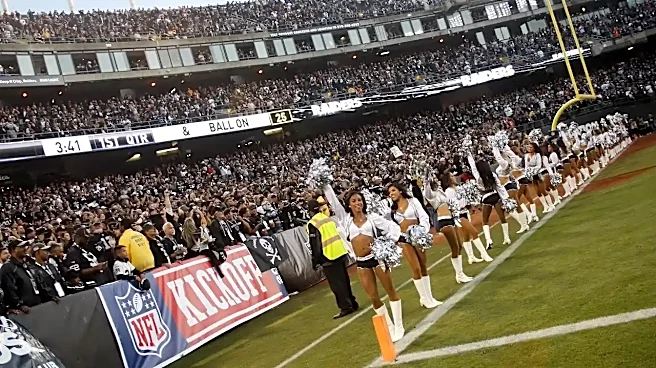
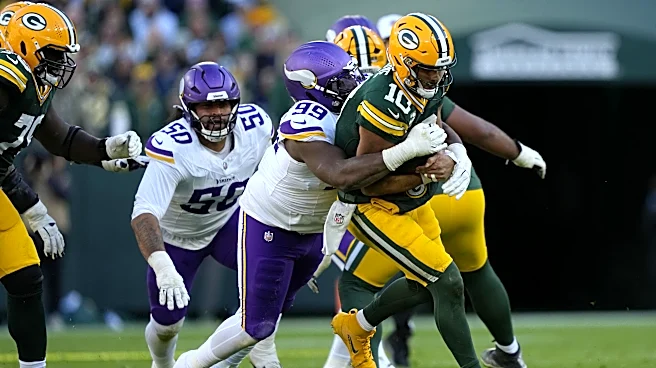
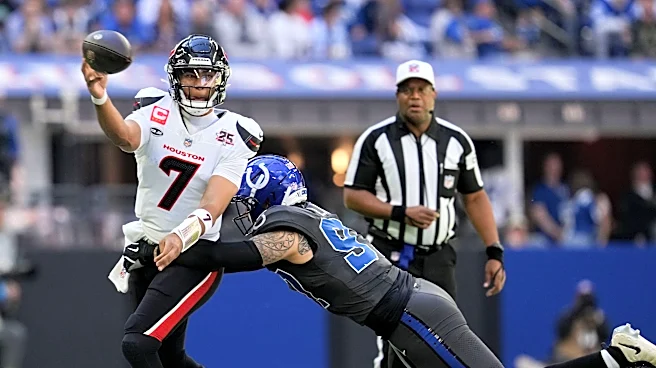
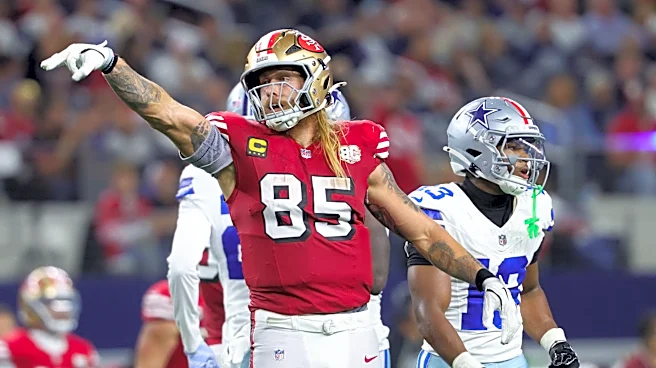
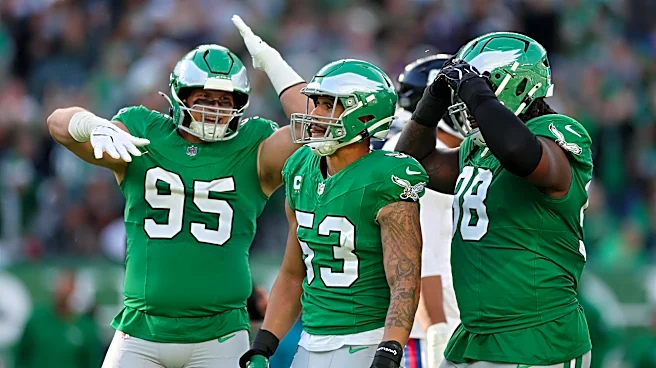
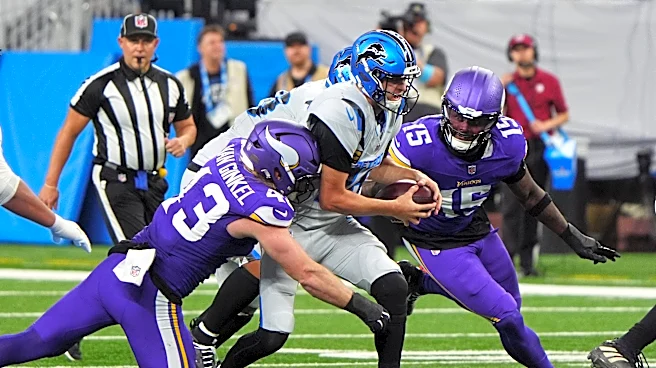
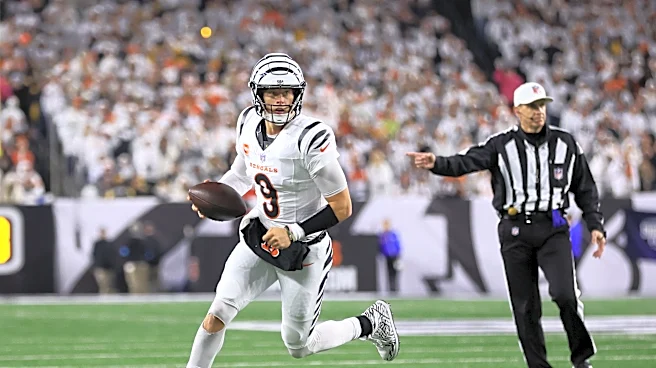
Long before the NFL dominated the day, Thanksgiving football was a college and high school affair. The tradition began just after the sport's invention, with the first Thanksgiving college game played in 1876 between Yale and Princeton. By the 1890s, the Thanksgiving game in New York City was a major social event, drawing massive crowds and even criticism for 'ruining' the holiday. When the NFL was founded in 1920, playing on Thanksgiving was a natural way to attract an audience. The tradition cemented itself in 1934 when the owner of the struggling Detroit Lions scheduled a game against the champion Chicago Bears and arranged for a national radio broadcast. The sellout game was a massive success, and the Lions have played on Thanksgiving almost every year since. The Dallas Cowboys joined the tradition in 1966, believing the national exposure would build their brand. Early photos of these games show packed stadiums and a different style of play, a far cry from the high-definition, three-game spectacle fans watch today.
The Ancient Roots of Breaking the Wishbone
Of all the traditions, breaking the wishbone, or furcula, is the oldest and most mysterious. The practice doesn't start with turkeys or Thanksgiving. Its origins are often traced back over 2,400 years to the ancient Etruscans in Italy. They believed chickens were oracles and that their collarbones held prophetic power. After a bird was eaten, they would dry the bone and stroke it to make a wish. As demand for wishes outstripped the supply of bones, the Romans, who adopted the custom, began breaking them; the person with the larger piece got the 'lucky break'. The tradition traveled with the Romans to England, where the bone was called a 'merrythought'. English settlers brought the custom to America. While the Pilgrims likely ate wild turkey, the linking of the wishbone ritual specifically to the Thanksgiving meal became popular in the mid-1800s, around the same time 'wishbone' became the common term for it and the holiday was nationalized.