

Distinction 1: The 1621 Feast Was Not 'The First Thanksgiving'
The event we call the 'First Thanksgiving' was a three-day harvest festival in the autumn of 1621. For the English colonists, a true 'thanksgiving' was a solemn, religious day of prayer and fasting, not feasting. The 1621 gathering was a secular celebration of a successful harvest after a brutal first winter that killed nearly half the Mayflower passengers. Furthermore, days of thanksgiving had long been a part of both European and Native American cultures. Spanish settlers held one in Florida 50 years prior, and the Wampanoag people had their own regular harvest celebrations. The 1621 event was significant, but it wasn't the singular origin moment it's often portrayed to be.
Distinction 2: The Meal Wasn't a Pre-Planned, Friendly Dinner Party
The popular image of colonists sending polite invitations to their
Native neighbors is a myth. Only two firsthand accounts of the feast exist, and neither mentions an invitation. The Wampanoag leader, Ousamequin (often called Massasoit), arrived with about 90 of his men, likely after hearing celebratory gunfire and coming to see what the commotion was about. Their relationship wasn't one of simple friendship but a fragile political alliance born of necessity. The Wampanoag had been devastated by disease spread by earlier European contact, and they saw an alliance with the colonists as a way to protect themselves from rival tribes. When Ousamequin saw a feast was underway, his men went out and hunted five deer to contribute, effectively joining a party already in progress.
Distinction 3: The Menu Looked Nothing Like Modern Thanksgiving
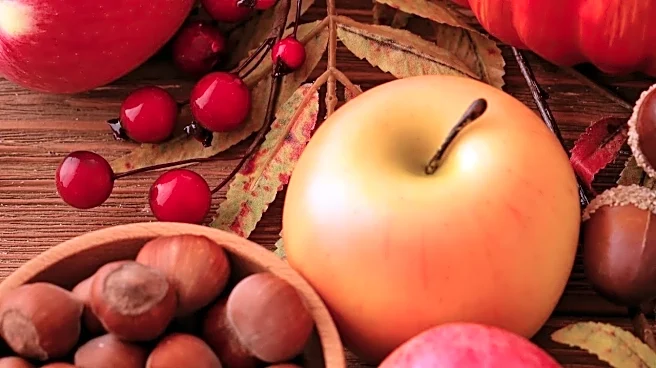
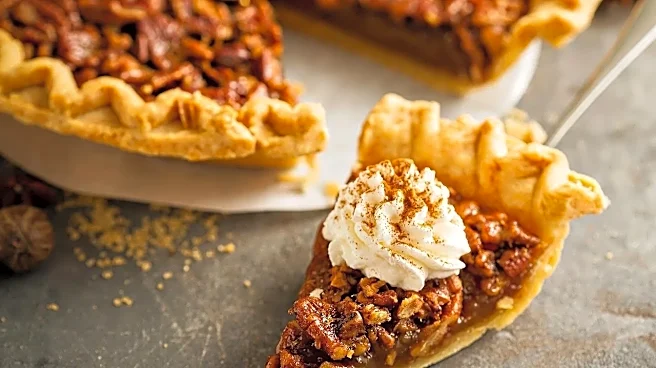
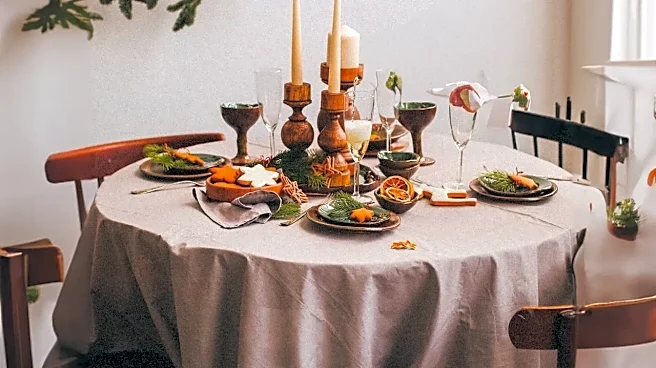
If you traveled back to that 1621 harvest festival, you'd find a very different menu. There was no pumpkin pie, as the colonists had no butter, wheat flour, or ovens. There was no cranberry sauce, which requires large amounts of sugar they didn't have. Potatoes hadn't yet been introduced to North America. The meal centered on venison brought by the Wampanoag, wildfowl (more likely duck or goose than turkey), and seafood like lobster, clams, and eel. They also ate native crops like corn (likely as a porridge), beans, and squash, along with local vegetables and nuts. The modern Thanksgiving menu is a collection of traditions that evolved much later.
Distinction 4: Thanksgiving Didn't Become a Holiday for Over 200 Years
The 1621 feast was a one-off event. It wasn't until the 19th century that it was retroactively branded as the 'First Thanksgiving'. The holiday we celebrate today is a much more modern invention. For decades, Sarah Josepha Hale, a prominent magazine editor, campaigned for a national Thanksgiving holiday, believing it could help unify a country fracturing over slavery. She wrote to five presidents before finding success with Abraham Lincoln. In October 1863, in the midst of the Civil War, Lincoln issued a proclamation establishing the last Thursday of November as a national day of Thanksgiving, hoping to 'heal the wounds of the nation'. It wasn't until 1941 that Congress officially declared Thanksgiving a federal holiday, cementing it as a cornerstone of American culture.