






The Poem Before the Song
Before it was a song, 'Over the River and Through the Wood' was a poem. It was penned in 1844 by Lydia Maria Child, a formidable figure in 19th-century America who was, for a time, one of the nation's most famous writers. While the poem's gentle nostalgia might suggest a quaint author, Child was a powerhouse of social reform. She was a prominent abolitionist, a women's rights activist, and a campaigner for Native American rights. Her 1833 book, 'An Appeal in Favor of That Class of Americans Called Africans', was a groundbreaking, book-length argument for the immediate abolition of slavery, a stance so radical it cost her much of her mainstream audience. The poem, originally titled 'The New-England Boy's Song about Thanksgiving Day', was published
in a children's collection and drew on her own happy childhood memories of visiting her grandfather's house in Medford, Massachusetts.
An Anthem for a New England Thanksgiving
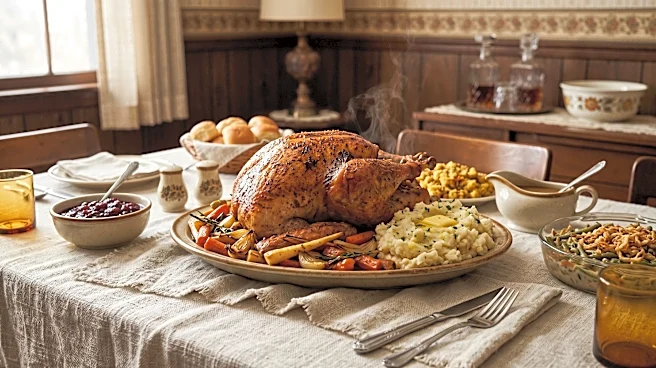
Read the original twelve stanzas, and the song's Thanksgiving DNA is undeniable. It explicitly mentions the holiday multiple times with the exclamation, 'Hurra for Thanksgiving Day!' The destination is 'grandfather's house', not grandmother's, though both grandparents appear later in the verse. The poem is a snapshot of a specific time and place: a rural New England Thanksgiving, which in the early 1800s was the region's primary winter family gathering, long before Christmas gained its modern prominence. The poem's climax isn't about presents, but about family, play, and the eager question, 'Is the pudding done? Hurra for the pumpkin pie!'
How Christmas Claimed the Sleigh
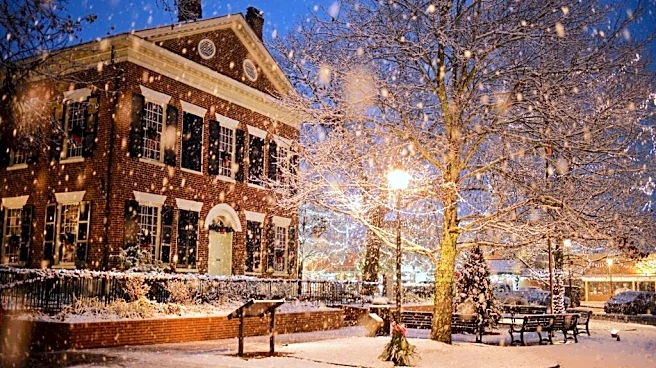
So how did a Thanksgiving poem become a Christmas carol? The answer lies in its imagery and the slow, inevitable creep of Christmas as America's dominant holiday. The poem was set to music by an unknown composer sometime in the 1870s. Its lyrics, full of snow, sleighs, and jingling bells, were generic enough winter scenes to be easily repurposed. As Christmas albums and holiday songbooks became popular in the 20th century, the song was a natural fit. Over time, small changes were made. 'Grandfather's house' often became 'grandmother's house', and in many versions, the clear 'Hurrah for Thanksgiving Day!' was simply swapped out for 'Hurrah for Christmas Day'. It happened to 'Jingle Bells' too, another sleigh-ride song written in Medford with no original mention of Christmas.
A Nostalgia Out of Reach
Ultimately, the song feels like a piece of history because the world it describes is historical. The central image—a horse-drawn sleigh ride to a nearby family homestead—is a relic of a bygone, largely agrarian America. For most families today, Thanksgiving travel involves highways, airports, and traffic jams, not a dapple-gray horse who 'knows the way'. The idealized journey to a multi-generational home, where grandmother waits with pies for everyone, speaks to a vision of family and community that feels more distant and fractured in the 21st century. The song captures a nostalgia for a type of homecoming that, for many, is no longer attainable. It's a beautiful picture, but it's one that hangs in a museum of memory.