
Myth: A Friendly, Pre-Planned Feast
The common story paints a picture of the Pilgrims inviting their Wampanoag friends to a pre-arranged potluck to celebrate their shared success. The reality is far more complex and tense. The only primary source account mentions the colonists celebrating their harvest by 'exercising our arms' and firing guns. This celebratory gunfire alarmed the Wampanoag, whose leader, Massasoit (also known as Ousamequin), arrived with about 90 warriors, possibly fearing an attack or needing to assess the situation. Their arrival was likely not in response to a friendly dinner invitation. The Wampanoag then contributed five deer to the three-day event, but the gathering was less a warm embrace between cultures and more a strategic, and likely uneasy, diplomatic
affair between two groups who were wary of each other.
Myth: The Costumes and Menu Are Accurate
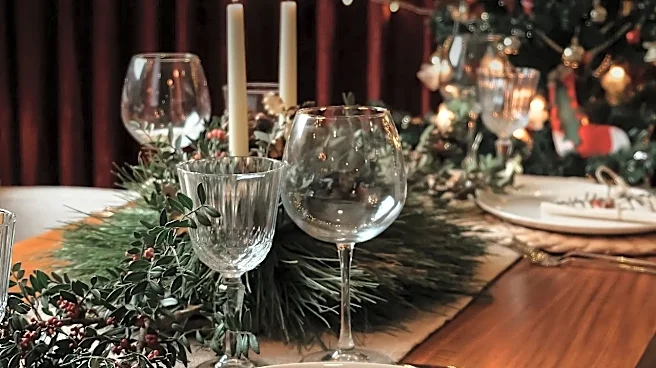
Those black outfits and buckled hats you see in every pageant? Pure fiction. The Pilgrims wore colorful clothing, reserving somber black for formal occasions like Sundays. The iconic buckles were a 19th-century invention to make them look more quaint and old-fashioned. Similarly, the Wampanoag were not a monolith of buckskin and feathers; their attire was specific and complex. The menu is also a product of modern imagination. While wild fowl was on the menu, there's no specific mention of turkey being the centerpiece. Staples like pumpkin pie, cranberry sauce, and potatoes were absent due to a lack of ingredients like wheat flour, sugar, and the fact that potatoes hadn't yet been introduced to New England. The feast likely consisted of venison, seafood like lobster and mussels, and vegetables from English gardens.
Myth: It Was the 'First Thanksgiving' Holiday
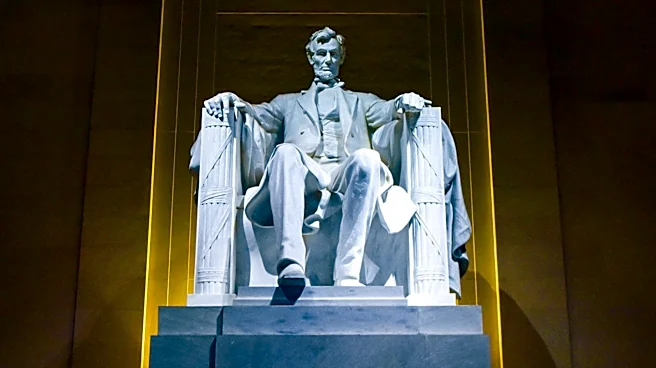
The 1621 harvest festival was not called 'Thanksgiving' by anyone present, nor did it establish an annual holiday. For the English colonists, a 'thanksgiving' was a solemn day of prayer and fasting, not feasting. The 1621 event was a secular harvest celebration, a common English tradition. The idea of linking this specific meal to our modern holiday didn't emerge until the 19th century. Magazine editor Sarah Josepha Hale campaigned for decades to create a national day of unity, and in 1863, President Abraham Lincoln declared Thanksgiving a national holiday, hoping to foster unity during the Civil War. The Plymouth story was retroactively attached to it, partly as a way to create a wholesome, bloodless founding myth for the nation.
The Real Harm in the Feel-Good Myth
Calling these pageants a 'reconstruction' isn't just a matter of historical nitpicking. The sanitized myth erases the brutal reality of colonization and its devastating impact on Native peoples. The Wampanoag had already been ravaged by diseases brought by European traders before the Pilgrims arrived, which was a key reason they pursued an alliance with the colonists for protection against rival tribes. This 'peaceful' feast is often presented as the entire story, conveniently ignoring the subsequent wars, land theft, and genocide that followed. It allows a narrative of friendly cooperation to obscure a history of conflict and oppression. For many Native Americans, Thanksgiving is not a day of celebration but a National Day of Mourning, a solemn remembrance of the loss of life, land, and culture. To present the 1621 meal as a happy beginning is to silence the voices and experiences of those who suffered in its wake.