




An Invitation to Celebrate History
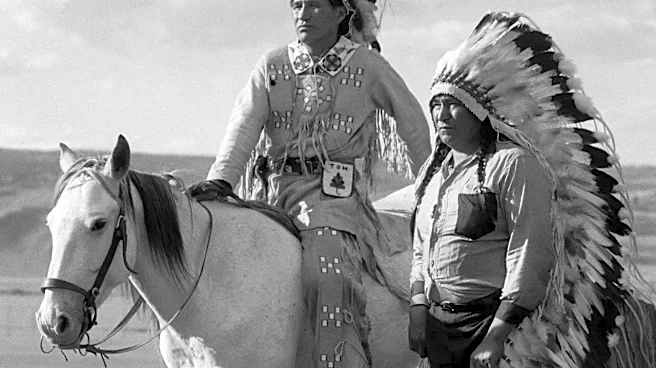
The year was 1970, and the state of Massachusetts was preparing to host a grand banquet celebrating the 350th anniversary of the Mayflower's landing at Plymouth. To mark the occasion with a theme of brotherhood, state officials invited a prominent member of the Indigenous community to deliver a speech. The man they chose was Wamsutta Frank James, an Aquinnah Wampanoag leader and head of the Federated Eastern Indian League. Organizers likely expected a feel-good speech praising the Pilgrims and celebrating centuries of peaceful coexistence, a story that fit neatly into the traditional Thanksgiving narrative taught in schools. They got something else entirely.
A Truth Deemed Too 'Inflammatory'
As was standard practice, James submitted a copy of his speech to the event planners
ahead of time. The reaction was swift. The content was not the appreciative ode they had envisioned. Instead, it was a raw and painful indictment of the colonists' impact on his people. Officials told James his speech was too 'inflammatory' and out of place for a celebration of brotherhood. They offered to provide him with a revised, pre-written speech crafted by a public relations team that would be more palatable to the attendees. Frank James refused. He would not have his history sanitized or his voice silenced. He withdrew from the event rather than deliver a lie.
The Unspoken Words of Wamsutta
The speech James had written began not with gratitude, but with a 'heavy heart'. He spoke of the realities faced by his ancestors, truths that contradicted the Thanksgiving myth. He detailed how, even before the Pilgrims landed, explorers had captured and sold Indigenous people into slavery. He noted how the Pilgrims, within days of arriving, had robbed Wampanoag graves and stolen their winter food supplies. He called the supposed welcome offered by the great sachem Massasoit 'perhaps our biggest mistake', as it was the 'beginning of the end' for his people. Within 50 years, the Wampanoag were no longer a free people. His speech recounted centuries of broken promises, stolen land, and the relentless assault on Native culture, all written out of the celebratory version of history.
From a Silent Protest to a National Movement
Rather than letting his words go unheard, Frank James chose a different stage. On Thanksgiving Day in 1970, he gathered with other Native Americans and supporters on Cole's Hill, which overlooks Plymouth Rock. There, at the feet of a statue honoring Massasoit, he delivered the speech exactly as he had written it. This act of defiance and truth-telling marked the first-ever National Day of Mourning. It was established as a solemn counter-narrative to Thanksgiving, a day for Indigenous peoples to mourn the genocide of their ancestors, the theft of their lands, and the destruction of their cultures. It was a protest against the hypocrisy of a nation celebrating a feast while ignoring the immense suffering that followed.
The Enduring Legacy of Mourning and Truth
What began in 1970 was not a one-time event. The National Day of Mourning, organized by the United American Indians of New England (UAINE), has been held every year since. It remains a powerful protest and a day of remembrance, drawing hundreds of people to Plymouth to honor Native ancestors and highlight the ongoing struggles for justice and sovereignty. Frank James's final words in his suppressed speech were not just of sorrow, but of resilience and a call for a better future: 'We must work towards a more humane America, a more Indian America, where men and nature once again are important'. His refusal to be silenced created a lasting tradition that continues to challenge all Americans to confront a more complete and painful history of their nation's origins.