



The Myth: The Feathered Headdress and Buckskin
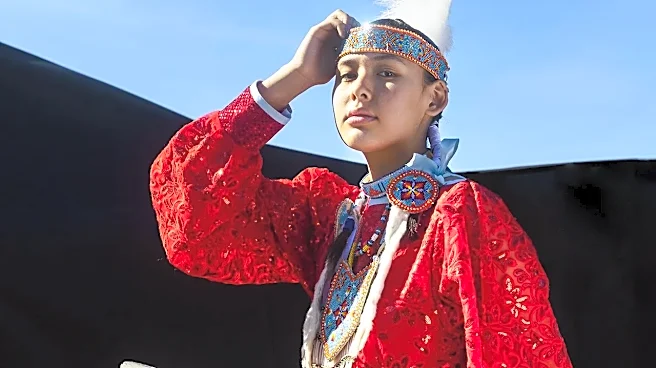
The popular image of a Native American at Thanksgiving is a mashup of stereotypes. It often features a large, trailing headdress, fringed buckskin or suede garments, and a stoic expression. This imagery, seen in school plays and party stores, is largely based on the regalia of Plains tribes, like the Sioux, who lived thousands of miles away from the site of the 1621 harvest feast. These war bonnets were earned and worn by respected leaders and warriors in those specific nations. By mixing and matching distinct cultural symbols into one generic costume, this stereotype flattens hundreds of diverse Native nations into a single, fictional character. It presents Indigenous people as a monolith, frozen in a mythical past.
The Reality: Wampanoag Clothing in the 17th Century
The Wampanoag people of the
Northeast woodlands dressed practically for their environment and culture. In the 1600s, men typically wore a deerskin breechcloth, which was a soft piece of leather passed between the legs and secured with a belt. Women wore deerskin skirts. In colder weather, both men and women would wear leggings and 'mantles'—capes made of deerskin or the fur of animals like beavers and raccoons. As for headwear, the dramatic Plains headdress was absent. A Wampanoag man might wear a single feather in his hair or a beaded headband, while a chief could wear a headdress with feathers pointing straight up from the band. They also adorned themselves with face paint and tattoos and wore jewelry made from shell, bone, and copper.
The Myth: A Simple Story of Friendship and a Feast
The costume helps perpetuate a simplified and sanitized version of the 'First Thanksgiving': struggling Pilgrims were saved by friendly Native people, and they all sat down for a harmonious meal to celebrate. This narrative, popularized in the 19th century by writers like Reverend Alexander Young, suggests a simple, happy beginning to a new nation. Abraham Lincoln later made Thanksgiving a national holiday in 1863, hoping to foster unity during the Civil War by invoking this idyllic image of togetherness. The story suggests the Native people were supporting characters who simply welcomed the newcomers and then faded into the background.
The Reality: A Tense Diplomatic Alliance
The 1621 harvest gathering was not called 'Thanksgiving' at the time; it was a three-day political event. The Wampanoag leader, Massasoit Ousamequin, didn't attend out of simple kindness. His people had been decimated by diseases brought by earlier European explorers, leaving them vulnerable to their rivals, the Narragansett tribe. Ousamequin saw an alliance with the English colonists and their powerful muskets as a strategic move to secure his people's position. The Pilgrims, who had survived their first winter largely due to Wampanoag knowledge of the land, also needed the alliance to avoid starvation and conflict. The arrival of Ousamequin and 90 of his men may have even been a surprise, possibly prompted by the sound of celebratory gunfire. They stayed for three days and contributed five deer to the feast, which also included fowl and harvested corn.
The Myth: A Bygone Era of History
By dressing up in costumes that represent a fictionalized past, modern Thanksgiving traditions often treat Native Americans as a historical footnote—a people who existed to help the Pilgrims and then vanished. This narrative conveniently ignores the conflict and violence that followed the 1621 gathering. The peace between the Wampanoag and the English lasted for about 50 years but eventually eroded, culminating in the brutal King Philip's War in 1675, which devastated Indigenous communities across New England. Treating Indigenous identity as a costume for a day ignores the painful history and the living, breathing cultures that have endured since.
The Reality: The National Day of Mourning
The Wampanoag people are still here. Their descendants live in Massachusetts and Rhode Island today, carrying on their traditions and fighting for their rights. For many of them, and for other Native Americans, Thanksgiving is not a day of celebration but a National Day of Mourning. This tradition began in 1970 when Wamsutta (Frank) James, a Wampanoag man, was invited to speak at a celebration of the 350th anniversary of the Pilgrims' arrival. When the organizers censored his speech because it spoke of the theft of land and the oppression of his people, he delivered it instead on Cole's Hill in Plymouth, protesting the sanitized version of history. Every year since, Indigenous people and their allies have gathered there to honor their ancestors and speak the truth about the devastating legacy of colonization.