





As Thanksgiving approaches, so do questions about our plans. While well-intentioned, these can feel awkward for those who don't celebrate. Here’s how to foster connection and share in the spirit of the season with more inclusive questions.
1. Focus on the Time Off, Not the Holiday
A simple way to be more inclusive is to shift the focus from the holiday itself to the shared experience of a break from work or school. Not everyone has Thanksgiving Day off, but many people get a long weekend. Asking about that time is a neutral and effective way to open a conversation. Instead of 'What are you doing for Thanksgiving?', try 'Got any fun plans for the long weekend?' or 'Looking forward to the break?' This reframing allows people to share as much or as little as they like, whether their plans involve
a large family feast, a quiet weekend catching up on chores, working a retail job, or observing the National Day of Mourning. It respects individual circumstances while still showing friendly interest.
2. Broaden the Scope to 'Traditions'
The word 'Thanksgiving' is specific, but the idea of traditions is universal. Asking about traditions invites people to share what’s meaningful to them without being funneled into a single cultural narrative. A great open-ended question is, 'Does your family have any fall traditions you look forward to?' This question allows someone who loves Thanksgiving to talk about their family's turkey recipe or annual football game. But it also creates space for a friend to share about their yearly apple-picking trip, their Day of the Dead observances, or a 'Friendsgiving' that has replaced a more complicated family gathering. It’s a warmer, more curious way to learn about what makes this time of year special for them, on their own terms.
3. Talk About Food, Not 'The' Feast
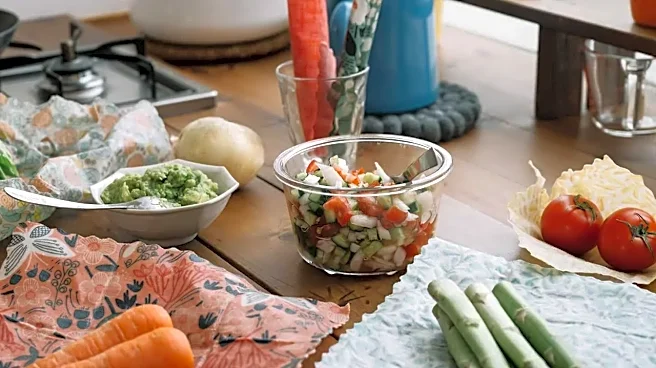
Food is a powerful connector, but the 'traditional' Thanksgiving meal isn't universal. Asking 'What's the best thing you're hoping to eat in the next few days?' is a joyful and inclusive question. It detaches the food from a specific holiday and focuses on the pleasure of eating and sharing. This approach recognizes that for many, a holiday meal might mean tamales, lasagna, curry, or simply a favorite takeout. It also acknowledges that the history of Thanksgiving is painful for many Indigenous people, for whom the 'first Thanksgiving' narrative erases a history of violence and displacement. Focusing on food as a universal source of comfort and joy allows for connection without insisting on a single, fraught historical context.
4. Offer Your Own Plans First (Gently)
Sometimes, the best way to make someone feel comfortable is to show vulnerability and take the pressure off. Instead of putting them on the spot with a direct question, you can offer a brief, low-key description of your own plans. Saying something like, 'I'm looking forward to a quiet weekend. I think I'll just catch up on some reading and maybe cook a nice meal,' signals that all kinds of plans are valid. This approach, known as self-disclosure, often encourages reciprocity without demanding it. It makes it easier for the other person to share their own plans, whether they are elaborate or simple, or to simply respond to what you’ve shared. It turns a potential interrogation into a gentle exchange.
5. Ask What They're 'Bringing' to the Season
This is a more abstract and creative approach that can lead to surprisingly deep conversations. Instead of asking what someone is doing, you can ask what they’re metaphorically bringing to the table. Try a question like, 'What’s a feeling or a hope you’re carrying into this part of the year?' or 'What’s one thing you’re proud of from this past year?' These questions tap into the reflective spirit of the season without being tied to a specific event. They get to the heart of gratitude and reflection—themes often associated with Thanksgiving—but in a way that is personal and universally applicable, inviting stories of growth, resilience, and personal joy.