




The Thanksgiving story often focuses on a shared meal, but the harvest itself was only possible because of millennia of Indigenous agricultural innovation. The corn at the center of that feast tells a much deeper story of science, culture, and survival.
1. Where did the corn for that harvest even come from?
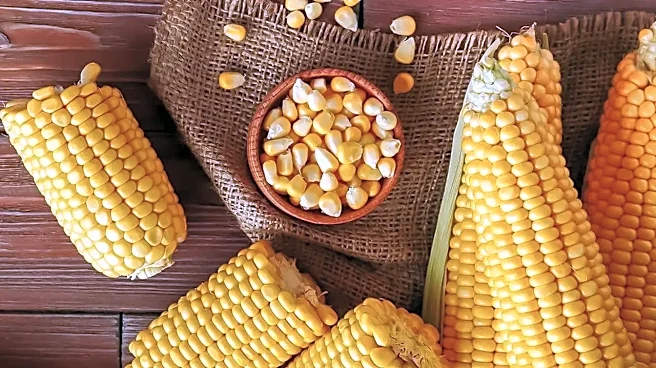
Long before the Mayflower arrived, corn—or maize—was a cornerstone of civilization across the Americas. Its journey began around 9,000 years ago in what is now southern Mexico, where Indigenous farmers painstakingly domesticated a wild grass called teosinte. Through generations of selective breeding, they transformed teosinte's small, tough seed heads into the robust, kernel-packed ears we recognize today. This revolutionary crop spread north, reaching the American Southwest thousands of years ago and eventually
arriving on the Eastern Seaboard. The flint corn grown by the Wampanoag and other nations in the Northeast was not the sweet corn we eat off the cob; it was a hardy, multi-colored variety bred for its ability to be dried and stored, providing a reliable food source through harsh winters. By 1620, maize was a highly developed and essential crop, a testament to thousands of years of Indigenous expertise.
2. What was so advanced about Indigenous farming?
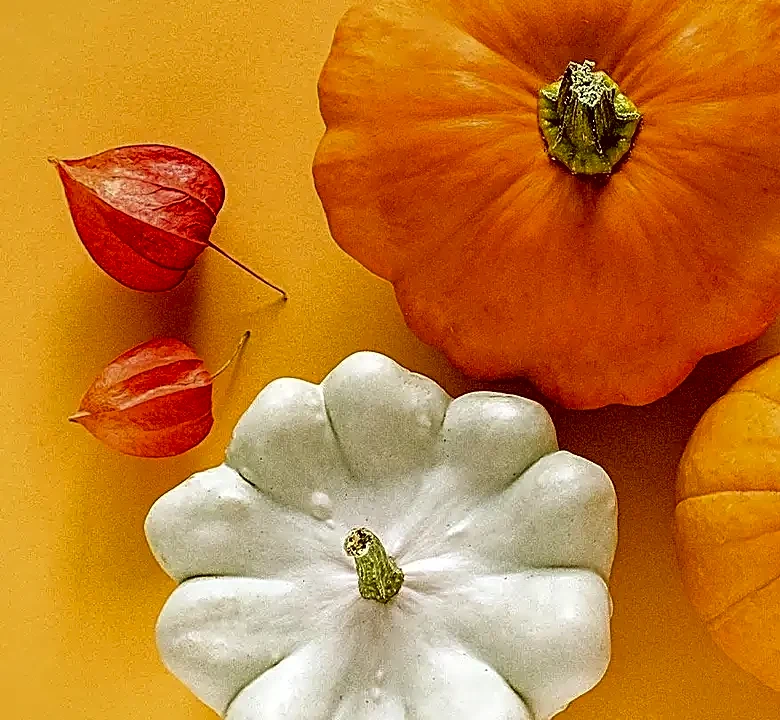
The agricultural science of many Indigenous peoples, including the Wampanoag, was incredibly sophisticated, most famously embodied by the 'Three Sisters' system. This companion planting method involved growing corn, beans, and squash together in a symbiotic relationship. The corn provided a tall stalk for the beans to climb, giving them access to sunlight. The beans, in turn, pulled nitrogen from the air and fixed it in the soil, enriching the very ground the corn needed to thrive. At the base, the broad leaves of the squash plants created a living mulch, suppressing weeds, retaining soil moisture, and deterring pests. This system was not just efficient; it was regenerative, creating a healthy and resilient garden ecosystem that could sustain communities for generations without artificial fertilizers or pesticides. It also provided a nutritionally complete meal, with corn for carbohydrates, beans for protein, and squash for vitamins.
3. Did an Indigenous guide really teach the Pilgrims everything?
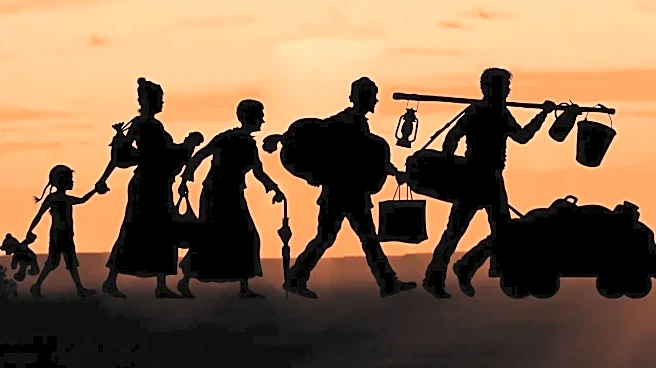
The story of Tisquantum (also known as Squanto) teaching the Pilgrims to plant corn is a foundational part of the Thanksgiving myth, and it is partly true. The English colonists' imported seeds had largely failed, and they were facing starvation. Tisquantum, a member of the Patuxet tribe who had been kidnapped, enslaved in Europe, and learned English before making his way back to his homeland, did indeed show them how to cultivate native crops. He instructed them to plant local corn varieties and to fertilize them with fish, a crucial technique for the region's soil. However, this popular narrative often obscures a more complex reality. It presents a single, heroic figure rather than acknowledging the vast body of agricultural knowledge held collectively by the Wampanoag people, particularly the women, who were primarily responsible for farming. Tisquantum served as a vital interpreter and guide, but he was sharing a science developed by his entire culture over centuries.
4. Was corn just food?
For Indigenous peoples, maize was and is far more than just a source of calories; it is a sacred relative and a central part of cultural and spiritual life. Many creation stories describe how humans were formed from corn, making it the literal substance of life. In Cherokee tradition, the Corn Mother, Selu, provides sustenance through her own body. Across different nations, specific varieties of corn are used in ceremonies, prayers, and as sacred offerings. Corn pollen is often used as a blessing, and the plant's life cycle—from planting to harvest—is mirrored in communal rituals and dances that honor the relationship between people and the land. It symbolizes fertility, renewal, and reciprocity. This deep spiritual connection treats corn not as a commodity, but as a gift that teaches lessons about gratitude and the interconnectedness of all living things.
5. Where is this Indigenous corn knowledge today?
This ancestral knowledge was never lost. Today, it is being revitalized and protected through the Indigenous food sovereignty movement. Across North America, Indigenous farmers, chefs, and seed keepers are working to reclaim ancestral seeds and restore traditional agricultural practices. Projects like the Indigenous Seed Keepers Network are creating regional hubs to grow, save, and distribute heirloom corn and other traditional crops. These efforts are about more than just food; they are about restoring cultural identity, promoting community health, and re-establishing ecologically sound food systems. By planting heirloom varieties and practicing regenerative techniques like the Three Sisters, Indigenous communities are strengthening their connection to the land and ensuring this vital knowledge is passed on to future generations.