
Myth: The Pilgrims invited the Wampanoag for a friendly thank-you dinner.
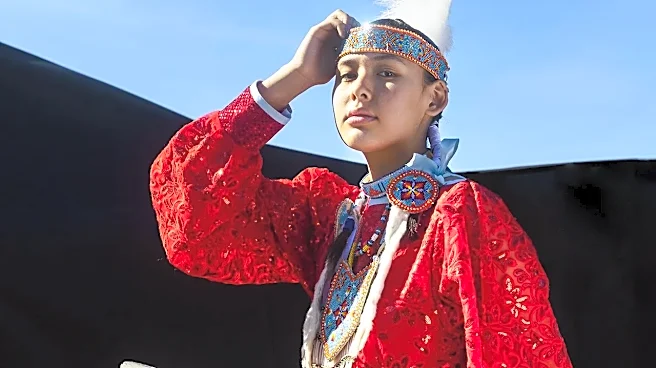
The storybook image of colonists extending a warm, open invitation to their Native neighbors is a simplified fantasy. In reality, the 1621 harvest gathering was a political affair born of mutual desperation.
The Wampanoag, led by their sachem Massasoit, had been devastated by a recent epidemic and were threatened by the rival Narragansett tribe. The English colonists were starving and ill-equipped to survive. When about 90 Wampanoag men showed up at the Pilgrims' three-day feast, it likely wasn't because of a formal invitation. Hearing celebratory gunfire, they may have come to investigate a potential attack. Their presence was a diplomatic calculation—an alliance with the English and their firearms offered the Wampanoag a strategic advantage. It was less a friendly meal and more a tense, pragmatic political summit.
Myth: They ate turkey, stuffing, cranberry sauce, and pumpkin pie.
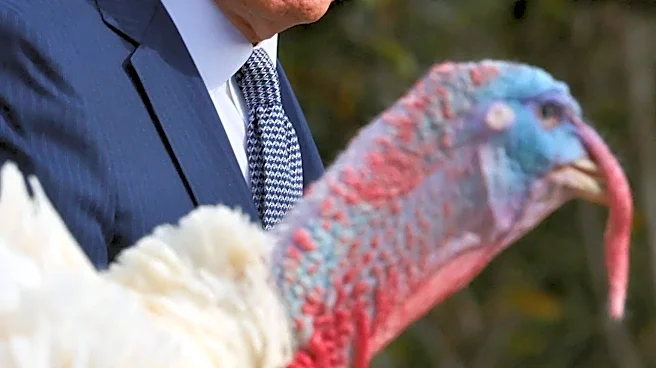
The menu at a modern Thanksgiving has little in common with the 1621 feast. While wildfowl was served, it was just as likely to be goose or duck as turkey. The Wampanoag contributed five deer, so venison was a major part of the meal. Seafood like lobster, eel, and clams was abundant and likely on the table. But many staples were missing. There was no wheat flour or butter for pie crusts, so pumpkin pie was out. Potatoes, native to South America, hadn't yet been cultivated in New England. And cranberry sauce? While the berries grew wild, the colonists had no sugar to sweeten them into the jam-like relish we know today. The meal would have featured corn porridge, beans, and squashes prepared using Native techniques.
Myth: The Pilgrims wore all-black outfits with buckled hats.
The somber, black-clad image of the Pilgrims is a 19th-century invention. Black dye was expensive and typically reserved for the most formal occasions. Probate records from the era reveal a surprisingly colorful wardrobe. Colonists' clothing inventories listed items that were red, blue, green, and violet. They wore rustic, earth-toned clothing made of wool and linen for daily life. And those iconic buckled hats? Pure fiction. Buckles didn't become a fashion statement until later in the 17th century. The Pilgrims would have worn simple, broad-brimmed felt hats or knitted caps, and their shoes were secured with leather ties, not buckles.
Myth: Thanksgiving has been an annual national holiday since 1621.
The 1621 harvest feast was a one-time event, not the start of an annual tradition. Days of 'thanksgiving' were occasionally declared by colonies or later by presidents to mark specific events, like military victories or the ratification of the Constitution. George Washington proclaimed one in 1789, but the idea of a fixed, annual holiday didn't stick. The Thanksgiving we celebrate today is largely the creation of one determined woman: Sarah Josepha Hale, a popular 19th-century magazine editor. For 36 years, she campaigned to make Thanksgiving a national unifier. In 1863, in the midst of the Civil War, President Abraham Lincoln finally answered her call, proclaiming a national Thanksgiving Day on the last Thursday of November, hoping it would help 'heal the wounds of the nation.' It wasn't until 1941 that Congress officially fixed the date as the fourth Thursday in November.