






Look Beyond the Main Headlines
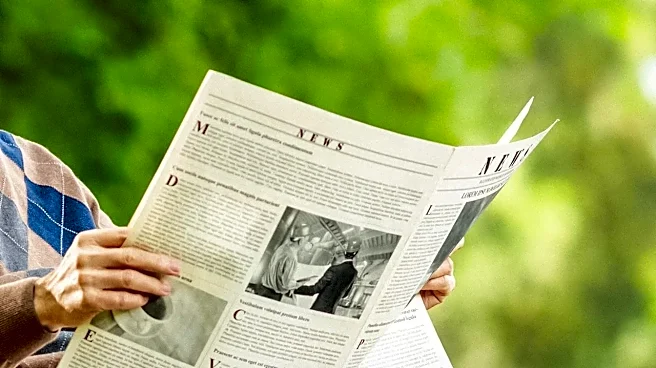
The natural impulse is to read the lead story, see what major event dominated the national conversation that holiday. But a newspaper from the early or mid-20th century was a community's entire internet, all rolled into one. The real magic is in the margins. Before you read a single article, just look at the page. Notice the density of the text, the ratio of articles to advertisements, and what gets the most prominent placement. The layout itself is a story about what the publisher and the community valued. Are there more columns, or bigger headlines? Are there illustrations or photographs? These design choices reveal the technological capabilities and editorial priorities of the day, offering a silent narrative on what it took to inform a town.
Advertisements Are a Cultural Goldmine
The ads are where the aspirations and anxieties of a society truly come alive. They offer an unfiltered look at what people wanted, what things cost, and what was considered modern or desirable. A Thanksgiving paper from the 1920s might feature newly electrified homes and the appliances to fill them, while one from the 1950s could be packed with ads for cars with dramatic tailfins and the promise of suburban convenience. Look for the grocery store ads. You’ll not only see what a turkey cost, but also what other foods were considered holiday staples. You might find ads for products that no longer exist or brand names that have long since vanished. These commercial messages are a powerful guide to the material culture and economic realities of the time, often telling a more intimate story than the news itself.
Daily Life Is in the Classifieds
If headlines are the curated story, classified ads are the raw data of daily life. The 'Help Wanted' section reveals the job market of the era—what skills were in demand and what wages were offered. 'For Rent' and 'For Sale' listings paint a picture of the housing market and the cost of living. But the most fascinating are often the personal ads and 'Lost and Found' columns. These tiny notices offer poignant glimpses into individual lives: a lost family pet, a plea for the return of a sentimental object, or notices of services offered. Before the internet, this was how communities connected on a granular level, and these sections provide some of the most direct evidence of how ordinary people navigated their world.
The Lost World of the Society Pages
Today it might seem quaint, but for much of the 19th and 20th centuries, the society page was the social media of its day. These sections, often aimed at women readers, detailed the goings-on of a town's prominent families. You'll find announcements of engagements, weddings, and parties, but the real value is in the 'who visited whom' columns. These items tracked the social movements of residents: who was traveling for the Thanksgiving holiday, who was hosting out-of-town guests, and who attended which church service or charity ball. For anyone researching family history, these pages can be a treasure trove, mapping out relationships and social networks that census records alone could never show. They reveal the structure of a community's social life, one tea party and holiday visit at a time.
Opinions, Letters, and Local Gossip
Finally, dive into the editorial page and the letters to the editor. This is where the community talked back. Here, you can get a feel for the political debates, local controversies, and public anxieties of the time, free from the objective tone of the news columns. Look for local columnists, whose folksy observations and gossip often provide a rich sense of the town's character and the issues on people's minds. Was the town arguing over a new road, celebrating a high school football victory, or worrying about world events? These sections offer a powerful reminder that history wasn't just a series of big events; it was lived by real people with strong opinions about their daily lives and the world around them.