

Myth: A Perfectly Recorded Menu
First, let's get one thing straight: nobody wrote down a menu. The idea of a formal, planned 'First Thanksgiving' is itself a modern invention. What happened in the fall of 1621 was a multi-day harvest celebration. Our main clues come from just two brief firsthand accounts. One is from Plymouth leader Edward Winslow, who wrote a letter mentioning a feast that lasted for three days. He noted that the governor sent four men 'on fowling', and that the Wampanoag leader Massasoit arrived with 'some ninetie men' and contributed five deer. The other account, by Governor William Bradford, was written years later and mentions 'wild turkeys' and 'venison' in a general list of the colony's bounty. That’s it. No shopping list, no recipe book.
Reality: Venison, Fowl, and Corn
So, what do
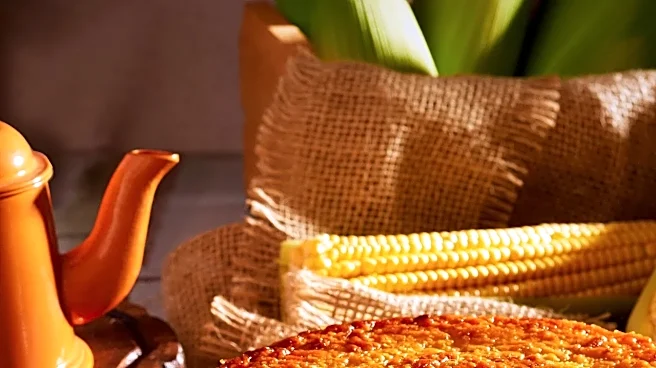
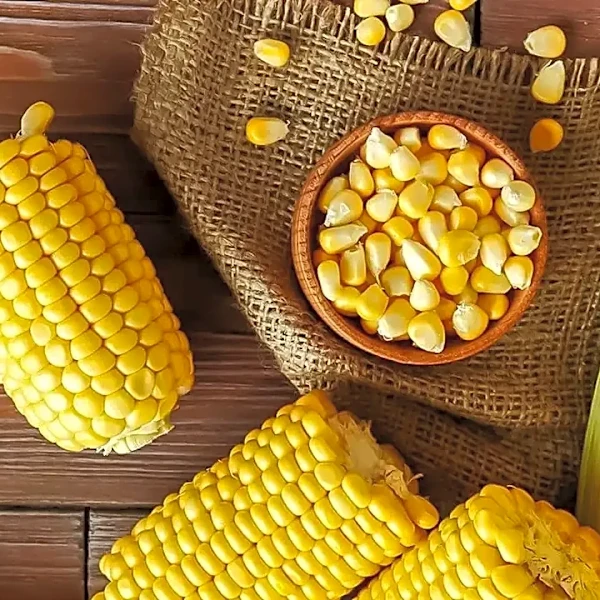
we know for sure? Meat was front and center. The venison provided by the Wampanoag was a significant contribution. The 'fowl' mentioned by Winslow could have been turkeys, but just as likely included geese, ducks, and even passenger pigeons, which were abundant at the time. Seafood was also likely present, as the colonists' settlement was on the coast and mussels, lobster, and eels were plentiful. The other absolute staple was corn, or maize. Having survived their first brutal winter thanks to Wampanoag agricultural knowledge, the Pilgrims had a successful corn harvest. This corn would not have been eaten on the cob but likely ground into meal for porridge or baked into a simple, flat bread.
Myth: Pumpkin Pie and Mashed Potatoes
Here's where the modern Thanksgiving table really diverges from history. None of the classic side dishes would have been there. There were no potatoes of any kind; white potatoes hadn't come to North America from South America, and sweet potatoes hadn't arrived from the Caribbean. There was no pumpkin pie, because the colonists lacked the butter, wheat flour, and most importantly, the oven needed to make a pie crust. They may have had stewed pumpkin, but not the sweet dessert we know. Cranberry sauce was also absent. While cranberries grew wild, the colonists' sugar supply from the Mayflower would have been nearly gone, and it would be another 50 years before anyone recorded boiling them with sugar into a sauce.
Reality: A Wampanoag Harvest
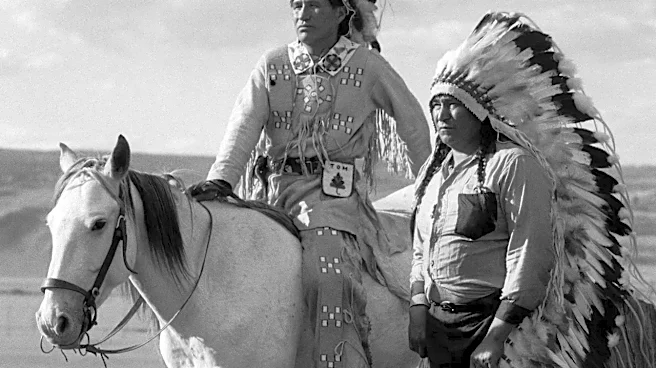
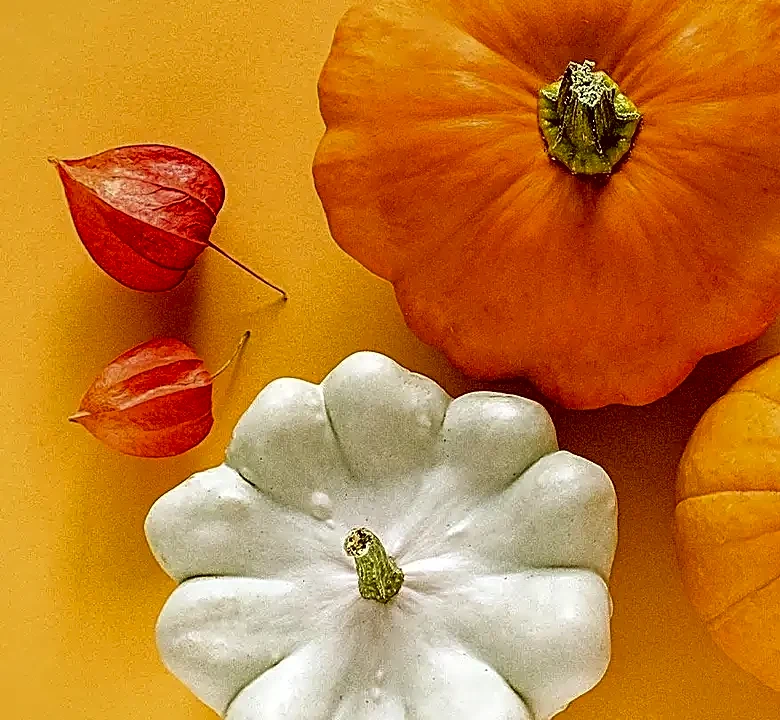
To get a clearer picture, we have to look beyond the English colonists and focus on the Wampanoag, who made up the vast majority of attendees. Their diet was sophisticated and deeply connected to the land. Farmed foods like corn, beans, and various kinds of squash (the 'Three Sisters') made up a huge portion of their diet. They would have also brought knowledge of local nuts like chestnuts and walnuts, wild herbs, and vegetables. Dishes like 'sobaheg', a hearty stew of meat, corn, and beans, would have been familiar fare. Thinking about what the Wampanoag ate provides a much richer and more accurate palette of flavors than just focusing on the Pilgrims' limited English provisions.
The Verdict: An Exercise in Perspective
So, is it worth it? If your goal is 100% historical accuracy, then no. It’s an impossible task. You can't replicate a meal when the full recipe doesn't survive. But if you change the question, the answer becomes a resounding 'yes.' The value isn't in perfection, but in the process. Attempting to cook a 1621-inspired meal forces you to confront the myths and connect with a more tangible, complex version of history. It's an exercise in perspective, shifting your focus from what was missing (sugar, flour) to what was abundant (venison, squash, corn, seafood). It connects you to the ingredients of the land and the culinary traditions of both the English settlers and, more importantly, the Wampanoag people.