




The Myth We All Learned
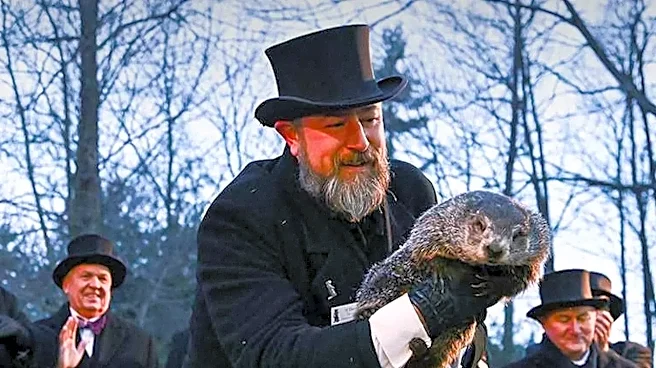
For generations, the Thanksgiving story has been served up as a simple, heartwarming tale. Friendly English Pilgrims, fleeing persecution, arrive in a new land. They struggle, but with the help of welcoming Native Americans, they learn to survive and share a harmonious harvest feast in 1621. This narrative, often decorated with Pilgrims in black hats with buckles and a menu of turkey and pie, is a cornerstone of American folklore, reenacted in school plays and reinforced by holiday specials. The problem? It's largely a work of fiction, crafted centuries later to serve a specific purpose. This popular version of events omits crucial context and flattens a complex, often brutal, history into a feel-good fable.
What's Missing from the Story
The sanitized 'first Thanksgiving'
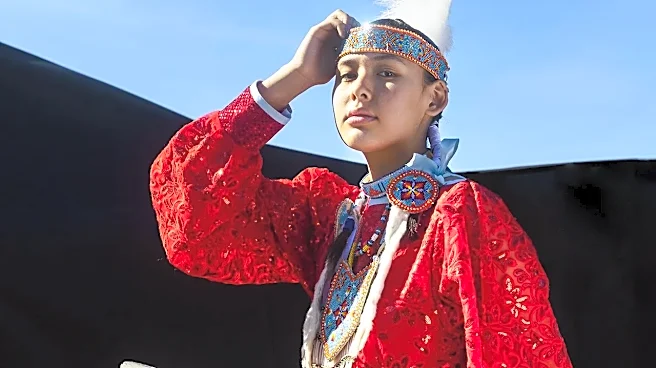
story erases the grim reality that preceded it. The Wampanoag people, who are central to the event, had over a century of contact with Europeans before 1620, much of it violent and involving slave raids. When the Mayflower arrived, the English colonists settled on the site of Patuxet, a Wampanoag village that had been wiped out by diseases brought by earlier European contact. The alliance forged by the Wampanoag leader Ousamequin was not born of simple friendship, but of strategic necessity. Having lost a significant portion of his people to plague, he saw the English as potential allies against rival tribes. The famous feast itself was a diplomatic meeting, not a family gathering, and the peace it represented was tragically short-lived, soon followed by conflict and the dispossession of Native lands.
Why Sources Matter
The Thanksgiving myth wasn't widely popularized until the 19th century. Writers and politicians, including Abraham Lincoln who declared it a national holiday during the Civil War, promoted a narrative of peaceful beginnings to foster national unity. This story required ignoring the inconvenient truths found in actual historical records. Those cheap, colorful Thanksgiving books often continue this tradition by failing to cite sources or by relying on outdated, romanticized accounts. Without sources, there is no accountability to the facts. The menu is wrong (deer and seafood were likely staples, not turkey), the clothes are wrong (no buckles), and most importantly, the power dynamics and consequences are wrong. Relying on unsourced stories perpetuates harmful stereotypes and prevents a genuine understanding of our nation's origins.
Finding a More Honest History
Moving beyond the myth doesn't mean canceling Thanksgiving, but rather enriching it with truth. It involves seeking out histories that include the Native American perspective and are grounded in primary sources. Many Wampanoag people and other Native Americans today observe Thanksgiving as a National Day of Mourning to acknowledge the loss and suffering that followed colonization. Recognizing this complex reality is a crucial step. When looking for books and resources, especially for children, it's important to check for citations and be critical of overly simplified narratives. Look for works by Indigenous authors and historians who challenge the old, comfortable myths. Engaging with this more accurate, if more difficult, history allows for a more meaningful reflection on gratitude, community, and the real story of the people who inhabited this land for millennia.