






Myth: Pilgrims Only Wore Black
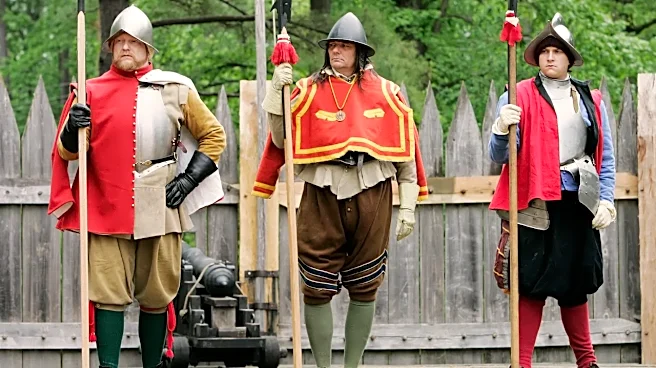
The idea of Pilgrims dressing in a somber, all-black uniform is one of the most persistent myths about them. While they did have black garments, these were typically their 'Sunday best', reserved for formal occasions and portraits. Achieving a true, deep black dye in the 17th century was an expensive and difficult process, making it a status symbol rather than daily wear. In reality, everyday clothing for the Plymouth colonists was a vibrant affair. Probate records and wills from the era list garments in a variety of colors, including red, blue, purple, green, and yellow. These colors were derived from natural plant-based dyes and were common in their wardrobes. Governor William Bradford’s own inventory included a violet cloak and a red waistcoat.
Myth: Their Hats Had Big Buckles
The single most recognizable—and inaccurate—part of the classic Pilgrim costume is the buckle on the hat. The tall, flat-topped hat itself, called a capotain, was indeed a popular style in the 16th and 17th centuries, worn by men of various classes in Europe. However, there is virtually no historical evidence that these hats were adorned with buckles. Buckles were used at the time, but they were mainly functional items for shoes, belts, or armor, not hat decorations. The addition of the hat buckle was a 19th-century invention, likely added by Victorian-era artists and illustrators to make the figures in their depictions look more quaint and old-fashioned. Once introduced, the image simply stuck, becoming a historical error repeated in school plays and decorations for generations.
Reality: Their Clothing Was Practical and Layered
So, if not black suits and buckled hats, what did the Pilgrims actually wear? Their clothing was dictated by practicality, social standing, and the harsh New England climate. Garments were primarily made from durable and warm fabrics like wool and linen. A typical man's outfit consisted of a linen shirt, a doublet (a close-fitting jacket), and breeches, which were billowy knee-length pants. Women wore a linen coif to cover their hair, a waistcoat, and layers of petticoats, which were worn as skirts. Both men and women wore stockings and simple leather shoes that tied with laces, not buckles. Their attire was layered to protect against the cold and designed to be functional for a life of hard work, a far cry from the stiff, uniform costume we imagine today.
Why the Myth Persists
The confusion partly arises from lumping Pilgrims together with Puritans, who were a different group that settled in Massachusetts Bay a decade later and were generally wealthier. While some affluent Puritans might have worn more black clothing and owned buckles as a sign of status, this wasn't representative of the Plymouth colonists. The popular image was further cemented by 19th-century art and literature that romanticized the colonial past, creating a simple, recognizable symbol for Thanksgiving. These depictions valued aesthetic and moral symbolism over historical accuracy, painting the Pilgrims in somber black to represent their piety and seriousness. The result is a folk costume that tells us more about the 19th century's view of the Pilgrims than about the Pilgrims themselves.