



1. Your Table's Exact Length and Width
This is the foundational measurement that influences every other decision. Using a tape measure, get the precise length and width of your tabletop. If your table is round, measure its diameter (the distance straight across the center). Don't estimate or use the dimensions from a product listing, as they can vary. Write these numbers down and keep them on your phone or in your wallet. This single step prevents the most common mistake: buying a tablecloth or runner that's awkwardly short or dangerously long. If you use a leaf to extend your table for the holiday, be sure to measure it at its full Thanksgiving size.
2. The Ideal Tablecloth 'Drop'
The 'drop' is the amount of fabric that hangs down from the edge of your table. It's a crucial detail that dictates the formality and
function of your tablescape. For a casual family meal, a drop of 8 to 12 inches is standard. It looks neat without getting tangled in guests' laps. For a more formal or dramatic look, aim for a 15-inch drop. A floor-length drop should generally be avoided for dining tables where people are seated, as it becomes a tripping hazard. To calculate your ideal tablecloth size, add your desired drop amount twice to both the length and width of your table. For example, for a 70-inch table with a 10-inch drop, you need a 90-inch tablecloth (70 + 10 + 10).
3. The Place Setting Footprint
How much space does one person actually need? According to dining etiquette and design standards, each guest requires a 'footprint' of about 24 to 30 inches of table width to eat comfortably without bumping elbows. Before you buy placemats or chargers, set one complete place setting—including a charger or placemat, dinner plate, cutlery, and glassware. Measure its width and depth. This tells you how many guests you can realistically fit. If your place settings are 24 inches wide and your table is 72 inches long, you can fit three on each side. Knowing this prevents overcrowding and ensures you don't buy decor for a 10-person setup when you can only comfortably seat eight.
4. The Centerpiece 'Safe Zone'
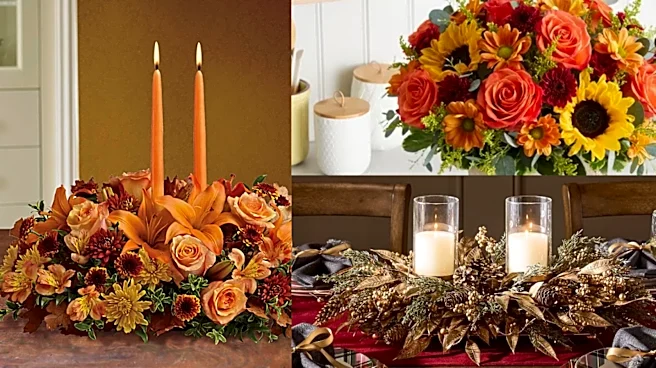
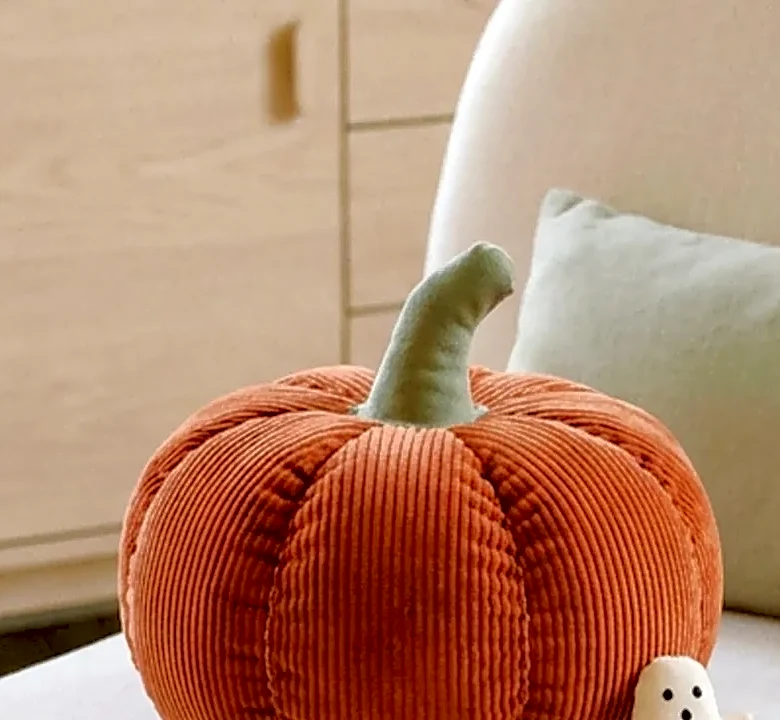
A centerpiece should make a statement, not block conversation. The two most important measurements here are height and length. For height, a good rule is to keep the bulk of the arrangement under 12 inches tall so guests can easily see each other across the table. Anything taller should be very slender, like a candlestick, where the flame is above eye level. For length, a centerpiece should occupy about one-third of the total table length. On a 72-inch table, that means a centerpiece or a series of smaller items should take up about 24 inches of space. Measure this central zone so you know exactly how much real estate you have for pumpkins, candles, and floral arrangements. This ensures your decor complements the table instead of competing with the food.
5. Your Dining Room's Traffic Flow
Decor doesn't stop at the tabletop. You also need to measure the space around your table. As a rule of thumb, you need at least 36 inches of clearance between the edge of your table and a wall or other furniture to allow guests to comfortably pull out their chairs and sit down. If it's a high-traffic path where people will be walking behind seated guests (like the route to the kitchen), that clearance should increase to 44 inches. Before buying that wide, stunning centerpiece that makes your table feel bigger, ensure your guests have enough room to maneuver. Sometimes, a visually lighter or smaller arrangement is the better choice for maintaining a comfortable and functional dining space during a busy holiday gathering.