


The 17th-Century Original: A Harvest Feast
Let's start with the 1621 gathering between the Plymouth colonists and the Wampanoag people. If you time-traveled to that three-day feast, you’d find a menu dictated by survival and local abundance, not by a holiday rulebook. The centerpiece wasn't necessarily a lone turkey. An account from colonist Edward Winslow mentions hunting for 'fowl,' which could have included turkeys, but also ducks and geese. A major contribution came from the Wampanoag, who brought five deer, making venison a significant part of the meal. Seafood was also plentiful; the settlers’ coastal location meant lobster, clams, mussels, and smoked eel were likely on the table. Corn was a staple, likely served as a thick porridge or cornmeal bread, not sweet corn on the cob.
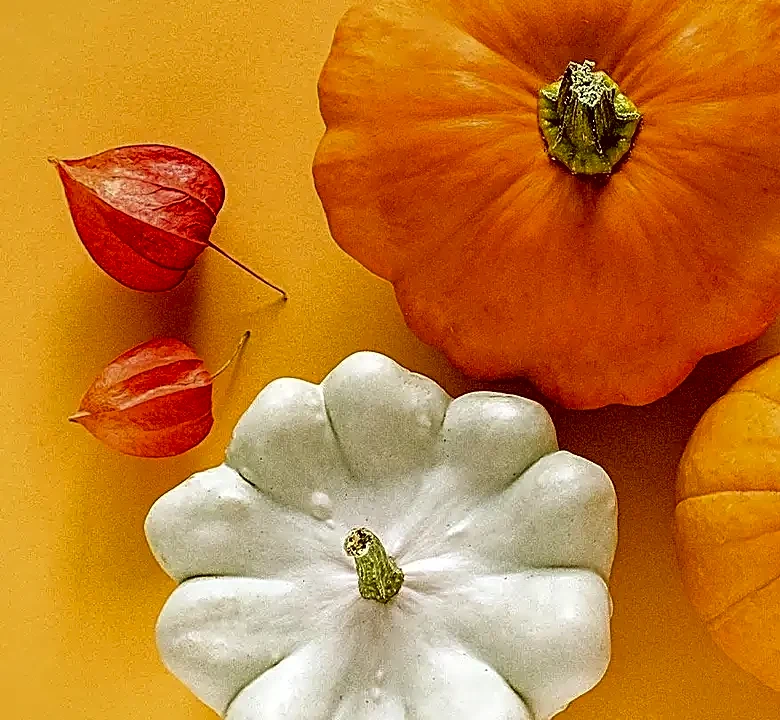
You’d also find native squashes and pumpkins, but not in pie form—the colonists lacked the butter, wheat flour, and sugar for a proper pie crust. Cranberries grew wild, but the tart berries weren't boiled into the sweet, jellied sauce we know today due to the scarcity of sugar.
The 19th-Century Rebrand: The Birth of 'Tradition'
So where did our modern menu come from? For that, we can thank Sarah Josepha Hale, a powerful 19th-century magazine editor and writer often called the 'Godmother of Thanksgiving'. For decades, Hale campaigned to make Thanksgiving a national holiday, using her popular magazine, 'Godey's Lady's Book,' to promote a unified vision of the celebration. In her 1827 novel 'Northwood,' she dedicated an entire chapter to a New England Thanksgiving dinner, describing a table where a roasted turkey 'took precedence'. Her vision, promoted through recipes and editorials, cemented a specific menu in the American consciousness: roast turkey with savory stuffing, gravy, potatoes, and pumpkin pie. This wasn't a reflection of the 1621 meal, but an idealized version of a New England harvest festival. When President Abraham Lincoln finally declared Thanksgiving a national holiday in 1863—largely due to Hale's persistent lobbying—her menu became the template for the entire country.
The 20th-Century Update: Convenience is King
The final layer of 'tradition' was added in the mid-20th century, courtesy of corporate America. Some of today's most unshakeable side dishes are surprisingly modern inventions. The green bean casserole, that creamy, crunchy staple, was created in 1955 in the Campbell's Soup Company test kitchen by a home economist named Dorcas Reilly. It was designed as a simple, quick recipe using ingredients most people had on hand: canned green beans and a can of cream of mushroom soup. Initially intended as an everyday side, it became a holiday fixture after Campbell's put the recipe on its soup cans in the 1960s. Similarly, that perfectly cylindrical, jellied cranberry sauce has a specific birthday. While cranberry sauce has existed for centuries, the canned version was invented in 1912 by Marcus L. Urann, who later founded Ocean Spray. It became widely available nationally by 1941, offering year-round convenience and a consistent product that quickly became a holiday must-have for millions.