






The Myth: A Friendly, Pre-Planned Dinner Party
The storybook version paints a picture of the Pilgrims, grateful for their first successful harvest, extending a formal invitation to their new Native American friends. The Wampanoag people, led by Chief Massasoit, arrive as honored guests to a multicultural potluck, symbolizing peace and cooperation. It's a simple, heartwarming tale of two cultures coming together in friendship. This version often depicts a handful of Native Americans joining the Pilgrim families, all dressed in somber black and white clothing with buckled hats.
The Reality: A Tense Diplomatic Encounter
The 1621 harvest gathering was less a dinner party and more a strategic meeting. There's no evidence the Wampanoag were formally invited. Instead, historical accounts suggest that about 90 Wampanoag warriors, led by
their leader Ousamequin (also known as Massasoit), showed up after hearing celebratory gunfire from the colony. Fearing an attack, they arrived ready for a confrontation. Once it was clear the colonists were merely celebrating, an alliance of necessity was reaffirmed. The Wampanoag had been devastated by a plague brought by European traders years earlier and saw the English, with their firearms, as potential allies against rival tribes like the Narragansett. The colonists, with only about 50 survivors, were desperate and needed local knowledge to avoid starvation. The Wampanoag warriors vastly outnumbered the colonists and contributed five deer to the three-day affair, which was more a display of diplomatic necessity than a simple meal.
The Myth: The Start of a Cherished Annual Tradition
We're often taught that this 1621 event was the 'First Thanksgiving' and that it kicked off the annual American tradition of gathering every November to give thanks, a practice continued faithfully ever since. The menu is imagined to be turkey, stuffing, cranberry sauce, and pumpkin pie, just like today.
The Reality: A One-Off Event Rebranded Centuries Later
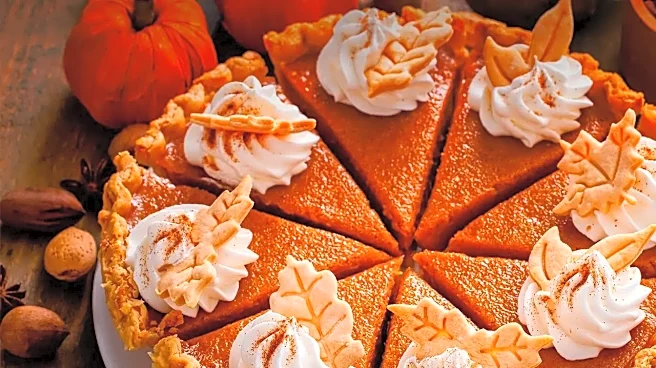
The 1621 feast was a secular harvest celebration, not a religious 'thanksgiving' as the Pilgrims understood it; for them, a day of thanksgiving was a solemn occasion of prayer and fasting. The event was not repeated, and the 'First Thanksgiving' label wasn't applied to it until the 19th century. The menu also looked very different: venison was the main course, supplemented by fowl, fish, and local vegetables. There was no pumpkin pie, as the colonists lacked butter and wheat flour. The modern holiday was the result of a decades-long campaign by magazine editor Sarah Josepha Hale, who saw it as a way to unify a nation fracturing over slavery. In 1863, in the midst of the Civil War, President Abraham Lincoln issued a proclamation establishing a national Thanksgiving holiday on the last Thursday of November, hoping to foster a sense of unity in the war-torn country. It was then that the romanticized Pilgrim story was attached to it as a national origin myth.
The Myth: A Peaceful, Lasting Friendship
The elementary-school version of the story ends with the feast, implying a 'happily ever after' where the two groups coexisted in peace, laying the foundation for a harmonious American society.
The Reality: An Alliance That Shattered into War
The peace between the Plymouth colonists and the Wampanoag was fragile and short-lived. As more English settlers arrived, they encroached further on Native lands, and relations steadily deteriorated. Just one generation later, in 1675, Ousamequin's own son, Metacom (known to the English as King Philip), led a coalition of tribes in a brutal, last-ditch effort to drive out the colonists in what became known as King Philip's War. The conflict was devastating for both sides but catastrophic for the Native population of New England. An estimated half of the region's Native people were killed or sold into slavery. The war effectively ended organized Native resistance in the region. For many Native Americans today, including the Wampanoag, Thanksgiving is not a day of celebration but a National Day of Mourning, a solemn remembrance of the genocide of their people and the theft of their lands.