
The Gift of a Relaxed Host
The greatest gift you can give your Thanksgiving guests is your presence. Not a frantic, flour-dusted, stressed-out version of you, but your actual, happy-to-be-there self. The invisible labor of hosting, particularly for a high-stakes meal like Thanksgiving, is immense. It’s the planning, the shopping, the chopping, and the monumental cleanup. While cloth napkins seem like a small detail, they represent a significant task: washing, stain-treating, drying, and ironing potentially dozens of soiled linens. By opting for paper, a host reclaims precious time and energy. That reclaimed hour isn't spent being lazy; it's spent laughing with a cousin, actually sitting down to eat, or simply breathing. A host who isn't dreading a mountain of laundry
is a better, more engaged host. And that creates a warmer, more welcoming atmosphere than the most impeccably starched linen ever could.
Redefining Elegance and Style
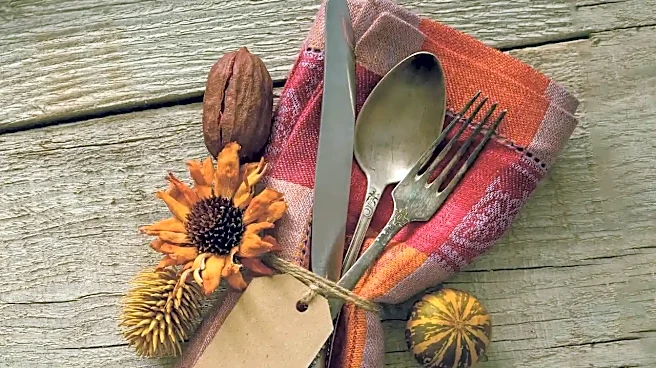
Let’s be clear: we are not advocating for the flimsy, single-ply dispenser napkins from a fast-food joint. The world of disposable tableware has evolved dramatically. Today’s paper napkins are a design statement. You can find thick, linen-feel, air-laid paper napkins that are both absorbent and luxuriously soft. They come in a kaleidoscope of colors, elegant patterns, and chic prints that can tie a whole tablescape together. From autumnal motifs to sophisticated, minimalist designs, you can find a high-quality paper napkin that perfectly matches your aesthetic. This isn’t a downgrade from cloth; it’s a strategic style choice. It allows for creativity and theme-matching without the long-term commitment or expense of a collection of cloth napkins that might only see the light of day once a year.
Putting Your Guests at Ease
A thoughtfully set table should make guests feel comfortable, not anxious. For all their formal glory, cloth napkins can be intimidating. No guest wants to be the one who irrevocably stains a host’s cherished heirloom linen with a splash of cranberry sauce or a drop of gravy. It creates a subtle tension, a fear of making a permanent mark. Paper napkins liberate your guests from this worry. They can relax, enjoy the meal, and clean up spills without a second thought. This is especially true for households with children, where messes are an inevitable part of any celebration. Choosing paper is an act of hospitality; it tells your guests, 'Your comfort is more important than my laundry.' It prioritizes human connection over the preservation of an object.
The Surprising Eco-Argument
The knee-jerk assumption is that reusable cloth is always greener than single-use paper. However, the reality is more nuanced. While paper napkins are made from wood pulp, the lifecycle of a cloth napkin carries its own environmental weight. Consider the resources needed to produce cotton, a notoriously thirsty crop. Then add the recurring impact of laundering: the water, the detergent (which can impact aquatic life), and the energy used by the washer and dryer. Some analyses show that unless you are washing in cold water, air-drying, and reusing a cloth napkin many, many times, the energy consumption can rival or even exceed that of its disposable counterpart. While the debate isn't settled, it's clear that choosing paper isn't an automatic environmental crime, especially when many modern paper napkins are made from sustainable sources and are compostable.