



A Christmas Parade on Thanksgiving
First, let's get the name right. The inaugural 1924 event wasn't even called the Thanksgiving Day Parade. It was officially the 'Macy's Christmas Parade'. The goal was simple: to celebrate the massive expansion of Macy's Herald Square store—then the world's largest—and to officially kick off the Christmas shopping season. Many of the participants were first-generation immigrant employees of Macy's, who wanted to bring a taste of their European festival traditions to their new American home. The parade was an instant hit, drawing an estimated crowd of over 250,000 people, and Macy's quickly declared it would become an annual tradition.
The Main Attraction: Real Animals
So, if there were no giant balloons, what did people line the streets to see? The main draw was a menagerie of
live animals borrowed from the Central Park Zoo. Imagine elephants, camels, bears, monkeys, and donkeys marching through the streets of Manhattan. This procession was part of a six-mile route, far longer than today's 2.5-mile course, starting way up at 145th Street in Harlem. Alongside the animals were Macy's employees dressed as clowns, cowboys, and knights, plus a few simple floats depicting nursery rhymes like Little Red Riding Hood and Little Miss Muffet.
A Slightly Scary Spectacle
While the idea of a parade with live bears and tigers sounds exciting, the reality was a bit different. The animals were a massive hit, but they also reportedly frightened some of the younger children in the crowd. Think about it: there's a big difference between a whimsical, floating Snoopy and an actual growling bear in an open cage on its way down Broadway. The novelty was undeniable, but the logistics and the fear factor proved problematic. The parade organizers, led by puppeteer Tony Sarg, quickly realized they needed a new headliner that was just as spectacular but a lot less intimidating.
The Dawn of the Balloon Era
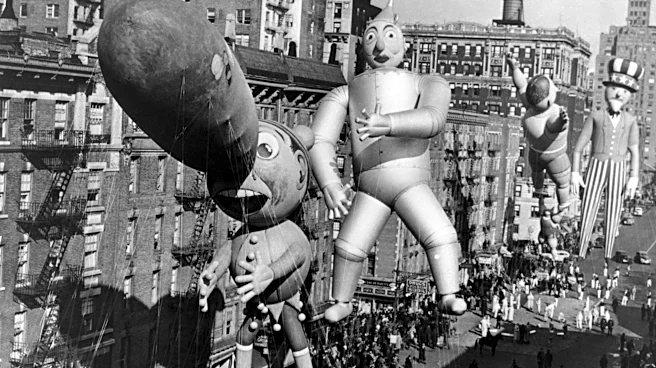
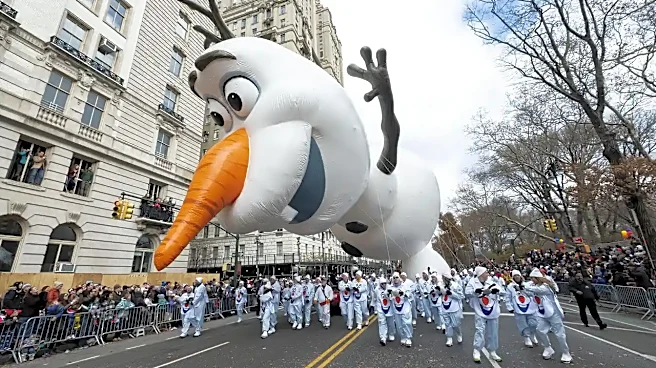
The live animal era of the parade was short-lived. By 1927, the real animals were replaced by the parade's new signature feature: giant character balloons. The very first one was a massive Felix the Cat. These 'upside-down marionettes', as they were conceived, were an immediate sensation. They were awe-inspiring, easier to see over the crowds, and didn't scare the kids. The finale, however, has remained consistent since the very beginning. The 1924 parade concluded with Santa Claus arriving at Herald Square, where he was ceremoniously crowned the 'King of the Kiddies' on a golden throne, officially opening the holiday season.