






The Untouchable 'Good China'
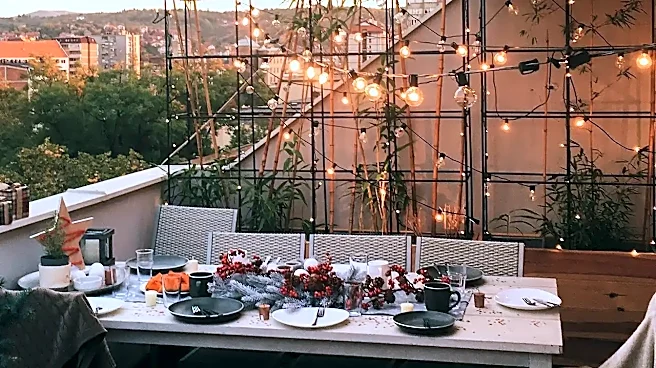
There's a persistent idea that a holiday as important as Thanksgiving demands the fanciest, most fragile dishes you own. The ones that live in a cabinet 364 days a year. But hospitality is about comfort, and nothing makes guests more nervous than the fear of breaking an heirloom. Instead of creating a museum-piece table setting, opt for durable, attractive dinnerware that can handle a second helping of gravy without giving you a heart attack. A warm, inviting table with sturdy plates and comfortable seating encourages guests to relax and enjoy themselves, which is far more important than using sterling silver forks. Remember, people recall how they felt at your table, not the brand of your dinnerware.
The Rigid Seating Chart
Etiquette guides often praise place cards
for avoiding awkwardness, but a strict seating chart can feel more like a corporate luncheon than a family gathering. While it’s thoughtful to consider dynamics, especially for a shy guest or a newcomer, over-engineering the seating can stifle natural connection. A more hospitable approach is to create an environment that encourages mingling. Let cousins who haven't seen each other in a year sit together. Let adults sit with their kids if it makes the meal easier. True warmth comes from allowing people to find their own comfort and conversation, not from assigning it.
Refusing All Offers of Help
The instinct to be the perfect, effortless host often leads to the classic line: 'Don't worry, I've got it!' But constantly refusing help can make guests feel useless or like they're a burden. People genuinely want to contribute. Hospitality means letting them. When a guest asks what they can do, have a few small, low-stakes tasks ready. Ask them to fill water glasses, stir the gravy, or bring the rolls to the table. Delegating a task, no matter how minor, makes guests feel included and part of the celebration. It turns your dinner from a performance into a collaboration.
The Command Performance Menu
As the host, you might feel pressure to cook every single dish from scratch to prove your culinary prowess. But Thanksgiving is a feast that’s bigger than any one person. Dictating the entire menu and refusing to let others bring a dish can feel exclusionary. A potluck-style approach, or at least a collaborative one, is the heart of community. When you invite guests to bring a favorite side dish or a treasured family dessert, you're not just lightening your workload; you're incorporating their traditions into the celebration. It makes the meal richer and more meaningful for everyone involved.
The 'No-Clutter' Kitchen Policy
Many hosts dream of a pristine kitchen, shooing guests into the living room to keep the cooking area clear. But on Thanksgiving, the kitchen is the heart of the home. It’s where the action is, where the aromas are, and where conversations naturally spark. Instead of banning people, find ways to welcome them in. Set up a drink station on a counter away from the stove or a small appetizer platter on the island. This allows guests to feel involved and connected to the process without getting underfoot. A slightly chaotic kitchen full of laughter is far more hospitable than a spotless, empty one.