




Lincoln's 1863 Proclamation: A Tradition, Not a Law
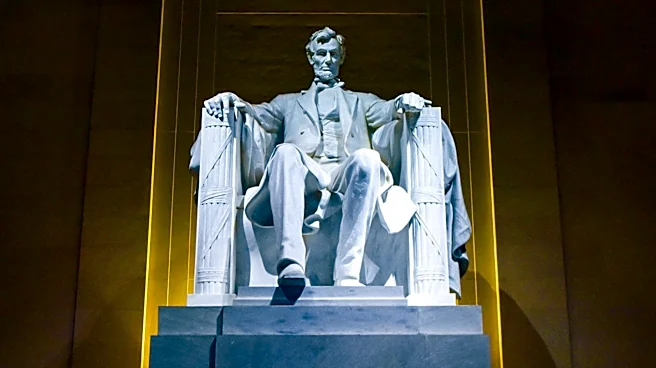
In the midst of the Civil War, President Abraham Lincoln issued a proclamation on October 3, 1863, calling on Americans to set apart and observe the last Thursday of November as a day of 'Thanksgiving and Praise'. This act, heavily lobbied for by magazine editor Sarah Josepha Hale, is rightly seen as the origin of our modern, annual Thanksgiving celebration. However, Lincoln’s proclamation did not have the force of law. It was a powerful recommendation that established a precedent, one that his successors would follow by issuing their own proclamations each year. It created a cherished national tradition, but it did not legally bind the nation to a specific date. The actual date remained at the discretion of each sitting president.
FDR's Gambit and the 'Franksgiving' Controversy
For 75 years,
this presidential custom held firm. Then came Franklin D. Roosevelt and the lingering Great Depression. In 1939, November had five Thursdays, placing the traditional 'last Thursday' holiday on November 30. Retailers, concerned this would leave a critically short Christmas shopping season, lobbied FDR to move the date earlier. Roosevelt agreed, and in August 1939, he issued a proclamation moving Thanksgiving to the second-to-last Thursday of the month. The public reaction was immediate and divisive. The move was derided by opponents as 'Franksgiving'. The country split, with 23 states adopting the earlier date and 22 sticking to the traditional one; some even celebrated both. This created chaos for everything from school schedules to rival football games.
Congress Steps In: The 1941 Resolution
After two years of holiday confusion, it became clear that the presidential proclamation system was no longer tenable. A Commerce Department survey found that the earlier date hadn't significantly boosted sales as hoped, and Roosevelt himself conceded the point. To end the nationwide scheduling mess, Congress took action. On October 6, 1941, the House of Representatives passed a joint resolution to make the 'last Thursday' of November a legal holiday. The Senate amended it, changing the date to the 'fourth Thursday' to account for months with five Thursdays. The House agreed, and President Roosevelt signed the resolution into law on December 26, 1941. This act, not Lincoln's proclamation, is what legally fixed the date of Thanksgiving on the fourth Thursday of November, where it has remained ever since.