


Myth: The Pilgrims wore all black with buckled hats.
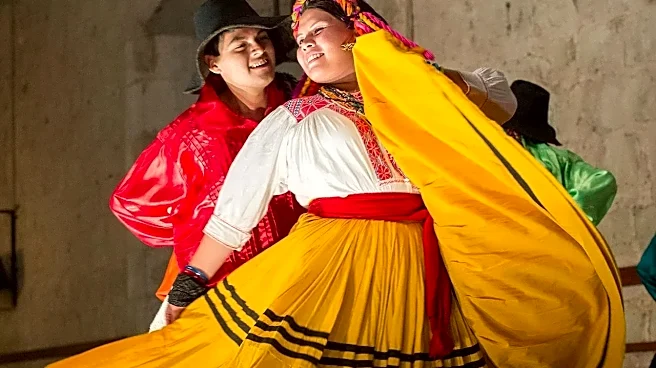
The somber, black-and-white wardrobe with prominent buckles is a 19th-century invention. Historical records and estate inventories from the era show the Plymouth colonists wore colorful clothing. Black dye was expensive and typically reserved for Sundays or formal occasions. Daily wear included colors like red, green, blue, and brown. Buckles also didn't become a fashion staple until later in the 17th century; the Pilgrims would have used cheaper and more practical leather laces to fasten their shoes and breeches.
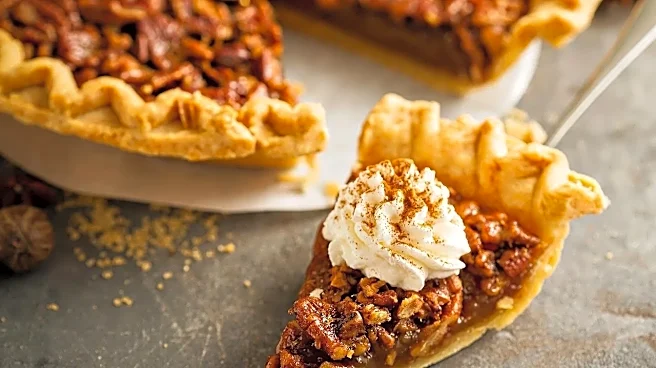
Myth: Turkey, potatoes, and pumpkin pie were on the menu.
While the colonists and Wampanoag likely ate wild fowl, which could have included turkey, it wasn't the celebrated centerpiece we know today. The main course was venison, as Wampanoag men brought five deer to the feast. Seafood like eel,
lobster, clams, and mussels was also abundant and likely served. Modern staples were absent: potatoes hadn't been widely introduced to the region, and without butter, wheat flour, and refined sugar, there was no pumpkin pie or cranberry sauce as we know them. They did, however, eat pumpkin and other squashes, likely roasted or stewed.
Myth: The Pilgrims graciously invited the Wampanoag to join them.
There is no surviving record of a formal invitation. The only two firsthand accounts of the event are brief. Many historians believe the Wampanoag leader, Ousamequin (also known as Massasoit), and his 90 men showed up after hearing celebratory gunfire and initially thought the colony was under attack. Rather than an open-armed invitation, the gathering was more likely an impromptu, and somewhat tense, diplomatic event between two groups who had formed a fragile, strategic alliance for mutual survival.
Myth: It was called the 'First Thanksgiving'.
The colonists themselves wouldn't have used the word 'Thanksgiving' to describe the 1621 harvest festival. For the deeply religious settlers, a day of thanksgiving was a solemn affair dedicated to prayer and fasting to thank God for a specific blessing, like rainfall after a drought. The three-day event with the Wampanoag involved feasting, games, and firing muskets—activities that would have been inappropriate for a true religious thanksgiving. It was simply a secular harvest celebration, a tradition they brought with them from England.
Myth: The Pilgrims called themselves 'Pilgrims'.
The settlers of Plymouth did not refer to themselves as 'Pilgrims'. They were a congregation of English Separatists who saw themselves as 'Saints' and called non-members of their church 'Strangers'. The term 'Pilgrim' was popularized nearly 200 years later. It was inspired by a passage in Governor William Bradford’s manuscript where he described his group leaving Holland, writing they 'knew they were pilgrimes'. But this was a metaphorical reference to their spiritual journey, not a formal name for their group.
Myth: It was a peaceful meeting of equals.
The relationship was far from simple friendship; it was a political alliance born of desperation. The Wampanoag had been devastated by a plague (likely introduced by earlier European fishermen) that killed a massive portion of their population, leaving them vulnerable to their rivals, the Narragansett. The English colonists were unprepared, and half of them had died during the first winter. The Wampanoag, led by Ousamequin, needed allies and access to European weapons, while the colonists needed help surviving. This mutual need, not just goodwill, was the foundation of their uneasy cooperation.
Myth: Thanksgiving became an annual tradition right after.
The 1621 harvest feast was a one-time event, not the start of an annual tradition. Sporadic days of thanksgiving were proclaimed in the following decades, but they were not consistent. The idea of a unified, national Thanksgiving holiday was championed by magazine editor Sarah Josepha Hale for decades. It wasn't until 1863, in the midst of the Civil War, that President Abraham Lincoln declared a national Thanksgiving Day, hoping to foster a sense of unity. The holiday as we know it was officially fixed as the fourth Thursday of November by Congress in 1941.