







The Unwritten Rule of the Holiday Switch
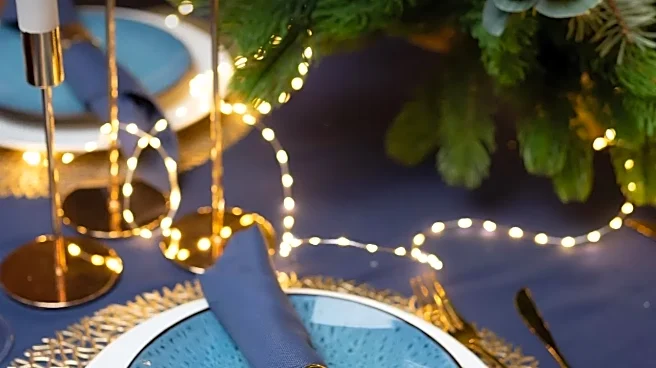
There’s a silent, collective agreement in many American neighborhoods: the weekend after Thanksgiving is for Christmas decorating. It’s a tradition for many families, a festive kickoff to the season. String lights emerge from attics, inflatable snowmen appear on lawns, and the warm, earthy tones of fall are swiftly replaced by glittering reds and greens. This quick-change artistry, fueled by retail sales and a rush toward the next big celebration, can feel like an obligation. If your gourds and plaid throws are still out come Monday, you might feel like you’re already behind. This pressure is real, but the 'rule' is entirely optional. Resisting the urge to immediately pack away one season for the next isn't about being a Grinch; it's about giving each
holiday its due.
An Argument for Savoring the Season
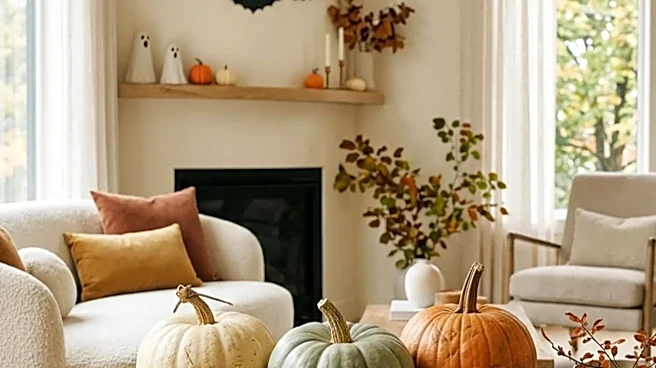
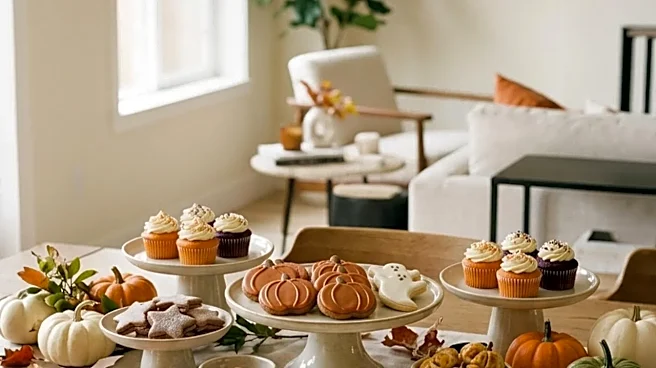
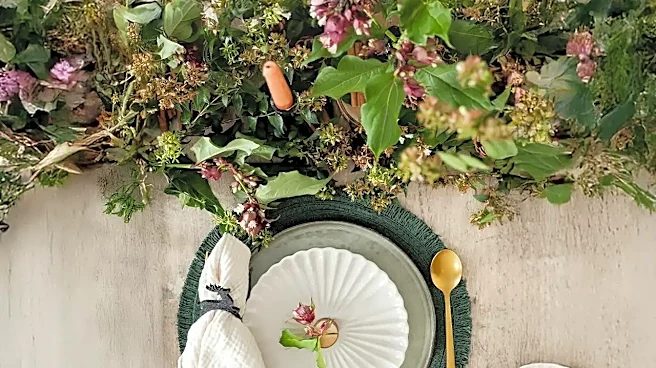
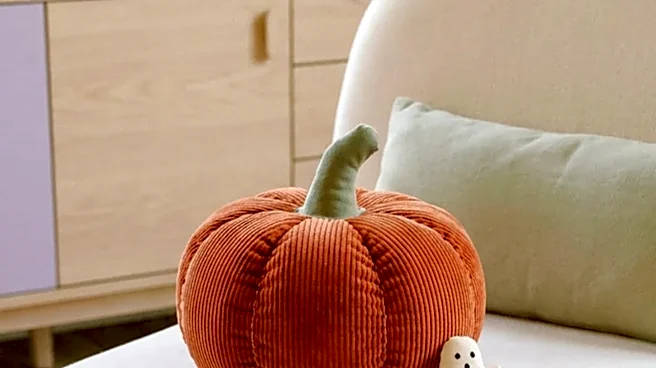
Thanksgiving is more than just a single meal; it’s the peak of the entire autumn season. The decor reflects that: warm colors, cozy textures, and natural elements like dried leaves, pumpkins, and pinecones. These pieces create an ambiance of warmth and gratitude that doesn't need to expire at midnight on Thursday. Letting your fall decor breathe for another week or two allows you to fully enjoy the aesthetic you've created. Some argue that jumping straight to Christmas can make the season feel overly long, diluting the special feeling by the time December 25th arrives. By holding onto your fall decor, you’re not procrastinating; you’re practicing a form of seasonal mindfulness, extending the cozy, thankful spirit of November before the festive frenzy of December takes over.
Give Each Holiday Its Own Spotlight
The phenomenon known as 'Christmas creep'—where holiday music and merchandise appear in stores before Halloween is even over—has intensified over the years. Giving Thanksgiving its own space on the calendar, without it being infringed upon by Christmas, can feel like a small act of rebellion against commercial pressure. Many designers and etiquette watchers agree that the most logical time to swap decor is after Thanksgiving has passed, with many suggesting the first of December as a natural starting point for Christmas festivities. This timeline honors the fall season and prevents 'decor fatigue'—the feeling of being overstimulated by holiday decorations before the main event has even arrived.
How to Make a Graceful Transition
Savoring autumn doesn’t mean you have to go from full Thanksgiving to full Christmas overnight on December 1st. The key is a gradual, layered transition. Many elements of your fall decor can serve as a bridge to winter. Start by removing the most holiday-specific items, like turkeys or 'Give Thanks' signs. Keep the neutral, natural elements. Pinecones, leafless branches, and wood textures work beautifully for both late fall and winter. Swap out burnt orange and mustard yellow pillows for deep greens, velvets, or cozy knit textures. Replace pumpkin spice candles with scents of pine, cedar, or cinnamon. You can even put up your tree but leave it undecorated, or with only lights on, until you're fully ready to embrace the Christmas spirit. This 'slow styling' approach makes the change feel organic rather than abrupt.
Ultimately, It's Your Home and Your Rules
While tradition often points to the day after Thanksgiving, there are no hard-and-fast rules. Some people find that decorating early reduces stress during the hectic month of December, while others feel it rushes the season. The perfect time to take down your cornucopia and put up the tinsel is whenever it feels right for you and your family. If the sight of pumpkins on your porch in the first week of December brings you joy, leave them there. The purpose of decorating is to create an environment that feels happy and comfortable. Don't let a frantic, unspoken timeline dictate your holiday joy. Let the gratitude of Thanksgiving linger, and welcome the next season when your heart—not the calendar—tells you it's time.