







Every November, parents and educators face the challenge of teaching the Thanksgiving story. A book by Native creators, 'Keepunumuk: Weeâchumun's Thanksgiving Story', offers a path forward, reframing the narrative for a new generation.
1. What if Thanksgiving isn't just about people?
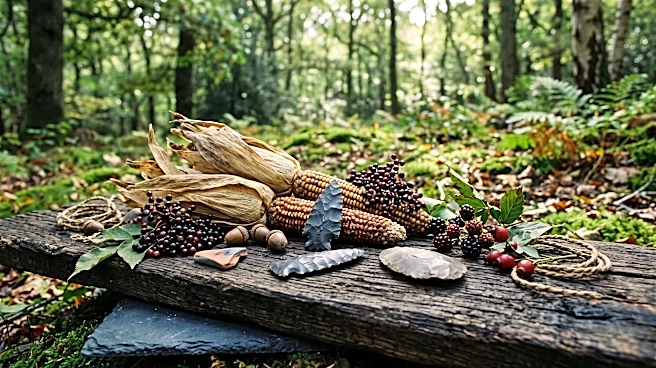
The traditional Thanksgiving story centers on two groups of people: Pilgrims and Native Americans. 'Keepunumuk'—a Wampanoag word for 'the time of harvest'—radically shifts this focus by giving agency to the land itself. In this telling, shared by a Wampanoag grandmother with her grandchildren, the main characters are the 'Three Sisters': Corn (Weeâchumun), Beans, and Squash. It is Weeâchumun who sees the newcomers are starving and, after consulting with the animals and her sisters, decides to send the First Peoples
to help them. This narrative asks readers to consider a worldview where humans are not masters of the environment, but partners in a web of life, with responsibilities to the natural world that sustains them. It transforms the story from a simple historical meal into a lesson on ecological interdependence.
2. Who really holds the power in the story?
In most school-play versions of Thanksgiving, the Pilgrims are the protagonists, and the Wampanoag appear as helpful side characters whose motivations are rarely explored. 'Keepunumuk' flips that script. The book was created by a team including Mashpee Wampanoag citizen Danielle Greendeer to deliberately center the Wampanoag perspective. The decision to help the settlers isn't a passive act of kindness; it's an active choice rooted in a deep cultural and spiritual mandate to help all living things. This subtle but powerful shift gives agency back to the Indigenous people, portraying them not as instruments of the Pilgrims' survival, but as a sovereign people making a difficult choice based on their own principles. The question then becomes not 'How were the Pilgrims saved?' but 'Why did the Wampanoag choose to help?'.
3. Is the 'First Thanksgiving' the whole story?
The book gently but firmly dismantles the myth of the 'First Thanksgiving' as a happy ending. While the narrative for young readers focuses on generosity and connection, the authors acknowledge the painful aftermath. In the book's framing, the grandmother explicitly tells the children that while many Americans call it a day of thanksgiving, many Native people call it a day of mourning. This introduces a crucial complexity for families to discuss: that a single moment of peace does not erase the subsequent history of colonization, displacement, and violence. It encourages a more honest conversation, positioning the 1621 harvest not as the tidy origin of a holiday, but as one complicated chapter in a much longer and ongoing story.
4. How can gratitude be an action, not just a feeling?
For many Americans, Thanksgiving gratitude is a passive feeling expressed around a dinner table. 'Keepunumuk' presents a different model based on Indigenous traditions of reciprocity. The Wampanoag had celebrated harvest festivals and given thanks for millennia before the Pilgrims arrived. This gratitude was an active, year-round practice of caring for the land and community. By having the land and its spirits—Corn, Beans, and Squash—initiate the act of helping the newcomers, the book defines gratitude as a responsibility. The story suggests that true thankfulness is demonstrated through action—sharing knowledge, offering aid, and upholding one's duty to the community and the environment. It pushes readers to ask what it means to truly give thanks.
5. What does a truthful Thanksgiving look for kids today?
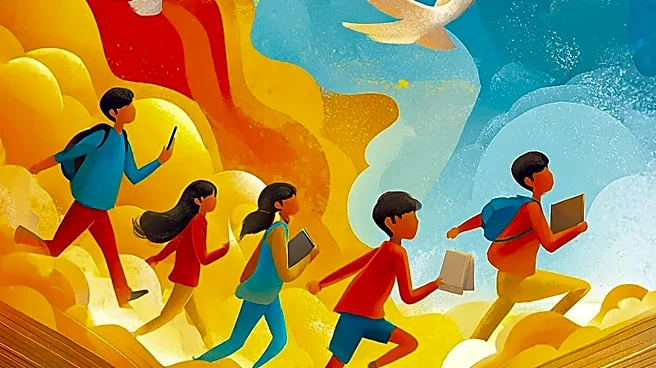
Ultimately, the biggest question 'Keepunumuk' opens is a practical one for families and educators: What now? The book was created to be a tool that gets 'ahead of the stereotypes' and provides a new default narrative. It shows that it's possible to tell a story to young children that is both gentle and truthful. It avoids vilifying the Pilgrims, instead portraying them as newcomers whose 'ears did not know the voices of the land'. This approach provides an entry point for discussing difficult history without overwhelming young readers. It models a way to honor the holiday not by clinging to myths, but by embracing a more inclusive, honest, and respectful understanding of its origins, all while reminding readers that the Wampanoag people are still here.