



Myth: The Pilgrims invited the Wampanoag for a friendly feast.
The classic image is one of English colonists sending a formal invitation to their Native neighbors. The reality is more complex and far more interesting. The colonists, after a successful first harvest, fired their guns in celebration. The nearby Wampanoag leader, Ousamequin (also known as Massasoit), heard the gunfire and arrived with 90 of his men, possibly thinking the settlement was under attack and arriving to provide aid or assess the situation. Seeing it was a celebration, they were then welcomed. This wasn't a pre-planned potluck; it was a spontaneous, and likely tense, diplomatic encounter between two very different cultures whose interests had temporarily aligned. The Wampanoag, who had been devastated by diseases introduced by earlier
Europeans, saw a potential ally in the English against rival tribes.
Myth: They all wore black, with big buckles on their hats.
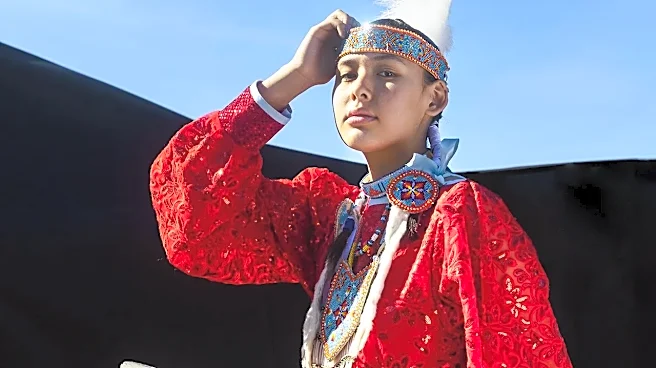
The somber, all-black outfits with buckled hats are a 19th-century invention, not a 17th-century reality. Black dye was expensive and reserved for formal occasions. On a day-to-day basis, the English colonists wore colorful clothing made with plant-based dyes, including reds, greens, and blues. Records from the time describe outfits like a 'blew clothe suit' and a 'red grograin suit'. Buckles also didn't become fashionable until much later. Similarly, the Wampanoag men and women had their own complex forms of dress, often involving deerskin, furs, and sometimes a single feather in the hair, not the large, Plains-style headdresses often seen in fictional depictions.
Myth: It was a simple, happy meal that began a lasting peace.
While the three-day harvest festival in 1621 was a moment of peace, it was not the beginning of a simple, happy relationship. It was a temporary truce in a history that would soon become fraught with conflict. Within a generation, the alliance would crumble, leading to King Philip's War, a devastating conflict that cost thousands of lives and resulted in the Wampanoag losing much of their land and autonomy. For many Native Americans today, Thanksgiving is not a day of celebration but a painful reminder of colonization's destructive impact. The 'first Thanksgiving' story often erases this tragic aftermath and the long history of the Wampanoag people who had lived on that land for over 12,000 years before the Mayflower arrived.
Myth: Turkey was the star of the show.
While the colonists did go 'fowling', there's no specific mention of turkey in the primary account of the feast from colonist Edward Winslow. It's possible wild turkey was on the menu, but it wasn't the celebrated centerpiece we know today. The Wampanoag contributed five deer, which means venison was a major part of the meal. The feast likely also included other local foods like fish, shellfish, eel, and vegetables such as pumpkins and other squashes. Pies would have been absent, as the colonists had no butter, wheat flour, or ovens to make them.
Myth: It immediately became an annual national holiday.
The 1621 event was a one-time harvest celebration, not the beginning of an annual tradition. The idea of a national Thanksgiving holiday didn't take hold until more than 200 years later. It was largely due to the tireless 17-year campaign of Sarah Josepha Hale, a prominent magazine editor and writer (also known for writing 'Mary Had a Little Lamb'). She lobbied successive presidents, arguing that a national day of thanks would help unify a country fracturing over slavery. In 1863, in the midst of the Civil War, President Abraham Lincoln finally proclaimed the last Thursday of November a national day of Thanksgiving. It wasn't officially codified into law as the fourth Thursday of November until 1941.